

By NAOME NAMUSOKE and RONALD KABUUBI/ KMA Updates
Uganda’s Electoral Commission (EC) has projected that at least 21 million Ugandans will participate in the January 15, 2026, general elections, signalling one of the country’s largest electoral turnouts in recent years. According to the updated voter statistics, women account for 53% of all registered voters, while men constitute 47%, reflecting a consistent trend of higher female political participation seen in previous election cycles.
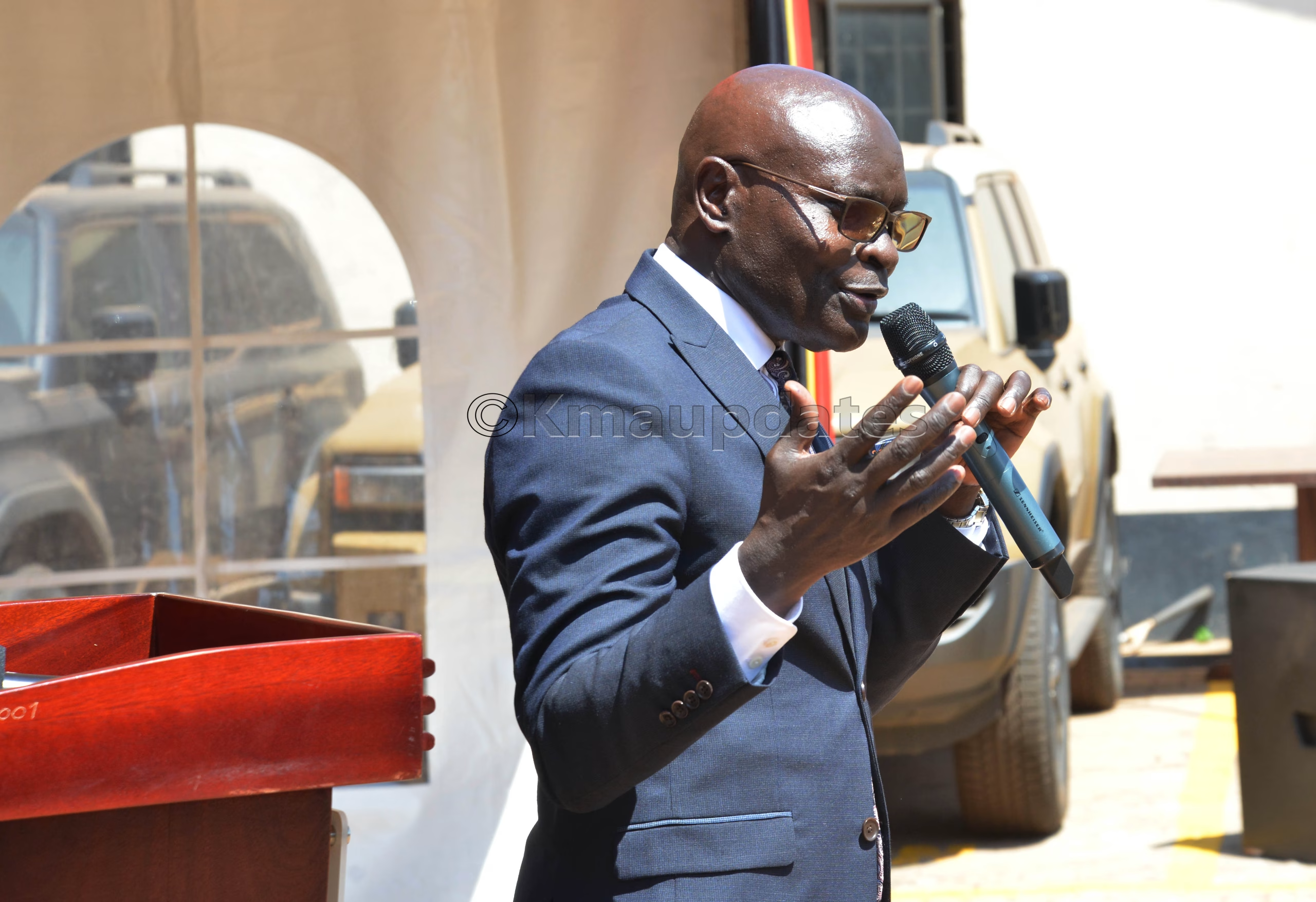
Addressing journalists at the Commission’s headquarters in Kampala, EC chairperson Justice Simon Byabakama said the country currently operates 146 districts, 312 counties, and 50,739 polling stations. He noted that preparations for the January 15 elections are in advanced stages, with the Commission finalising logistics, recruitment, and training of polling officials.
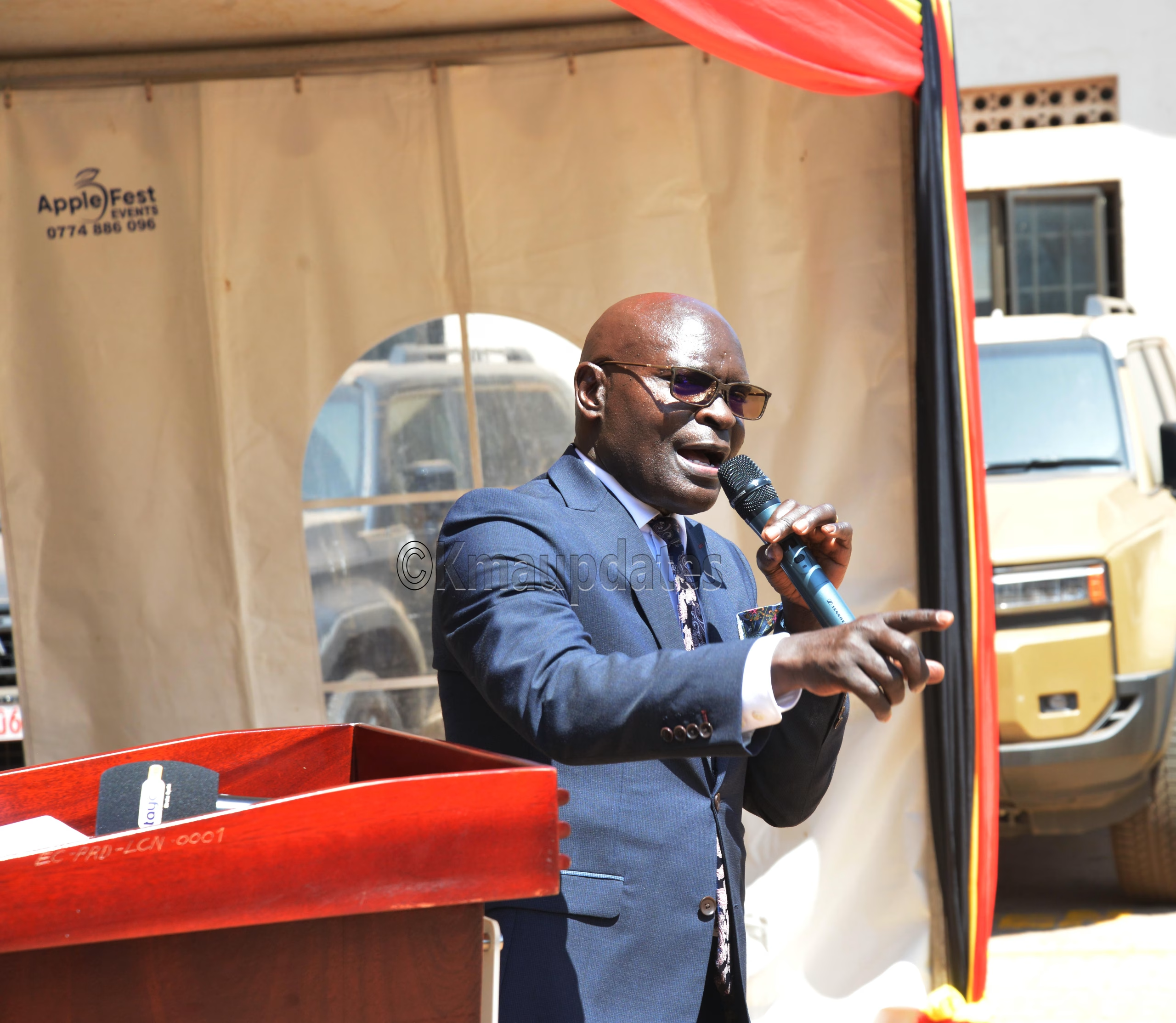
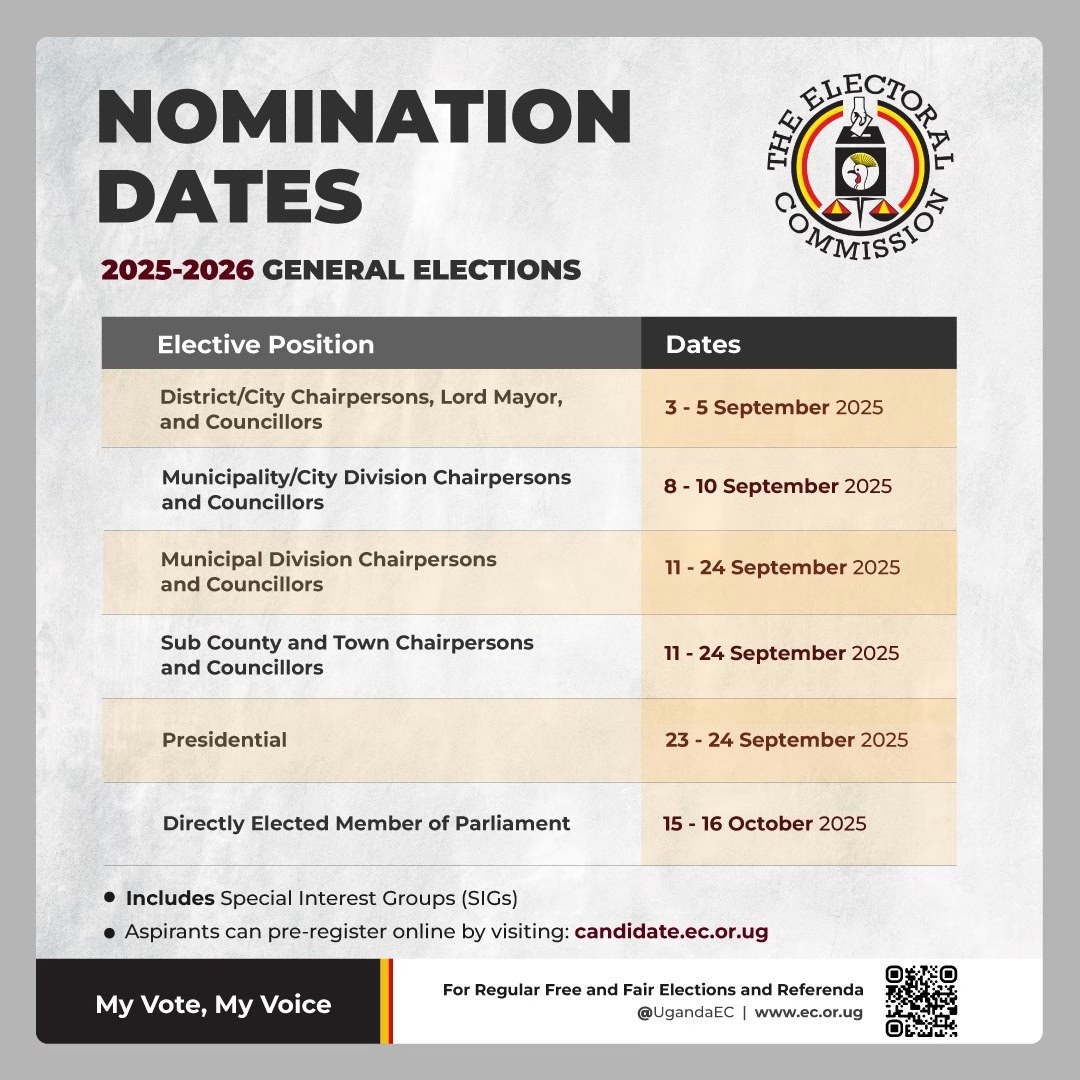
Byabakama announced that the EC has designated November 27 and 28 as special nomination days for constituencies where nominated candidates passed away after their papers had already been accepted. These fresh nominations, he said, apply to both parliamentary and local government races to ensure that voters are not denied the opportunity to elect representatives of their choice.
Districts where local government candidates died include Kasanda, Kabong, Nakasongola, Sironko, Kwania, and Tororo. “The law gives the Commission mandate to reopen nominations in such circumstances. This is essential to avoid disenfranchising voters in the affected areas,” Byabakama noted.
The EC chairperson urged Ugandans to remain active participants in the electoral cycle and to safeguard peace throughout the campaign period. “I urge all Ugandans to embrace the coming general elections slated for 15 January and exercise their rights as provided for in the Constitution of Uganda,” he said.
As part of its preparation strategy, the Commission will deploy 1,000 temporary staff to support the training of election officers and to ensure proper handling of the technical equipment to be used during voting. The biometric verification system first rolled out in 2016 will be central to identifying voters at polling stations.
Byabakama also expressed concern over the rise in hate speech and tribal sentiments by some political actors, warning that such rhetoric threatens the integrity of the electoral process. “This is not fair and does not portray the qualities of a good leader,” he said, calling for issue-based campaigns and respect for national unity.
With political tension rising as candidates intensify their mobilization efforts across the country, the EC chairperson revealed that updated voter registers and final campaign guidelines will be released in the coming weeks as Uganda enters the final stretch toward the 2026 general elections.