

By Naome Namusoke& Ronald Kabuubi/ KMA Updates
Kampala, Uganda — The Government of Uganda, through the Ministry of Gender, Labour and Social Development (MGLSD), in partnership with the Uganda Performing Rights Society (UPRS) and other creative industry stakeholders, has officially launched the Uganda One Festival, scheduled for 8th to 9th January 2026. The festival is expected to serve as a national platform to promote Ugandan talent while strengthening policy implementation around copyright protection, funding, and monetisation of creative works.
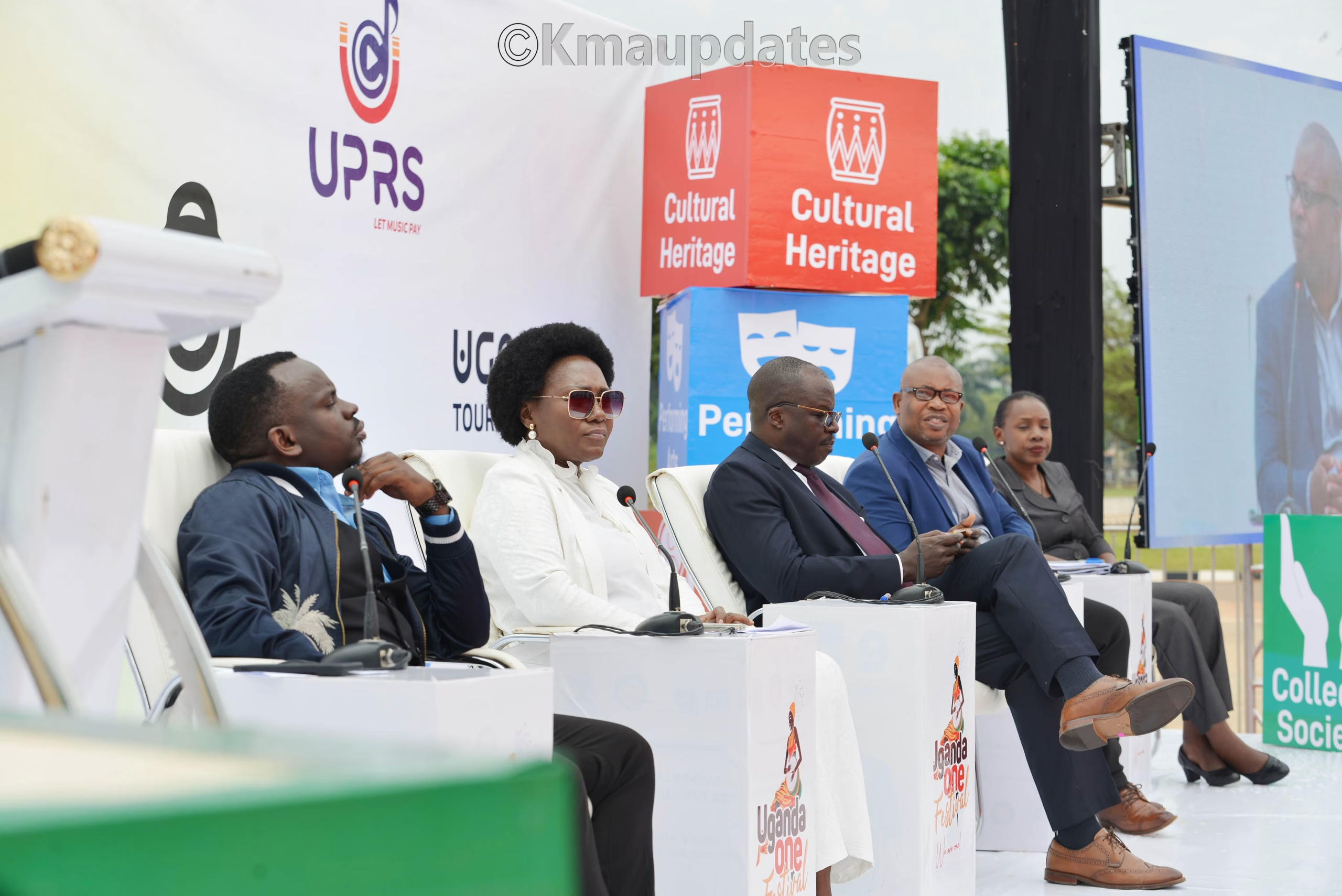
Ms.Sylvia Owor, the Chairperson of the National Organising Committee and Director of Operations at Operation Wealth Creation.Next to her on the right is Herbert Mugisha, the Ceo of Uganda Performing Rights Society (UPRS),Joshua Kyalimpa from Ministry of Gender,labour and Social Development and the Commissioner of Copyright,URSB MiriamNabatanzi. Photo by Ronald Kabuubi/KMA Updates.
The Uganda One Festival brings together players from across the creative value chain, including music, film, fashion, visual arts, comedy, and digital content creation, sectors that are increasingly recognised as key drivers of employment and economic growth, particularly among the youth.
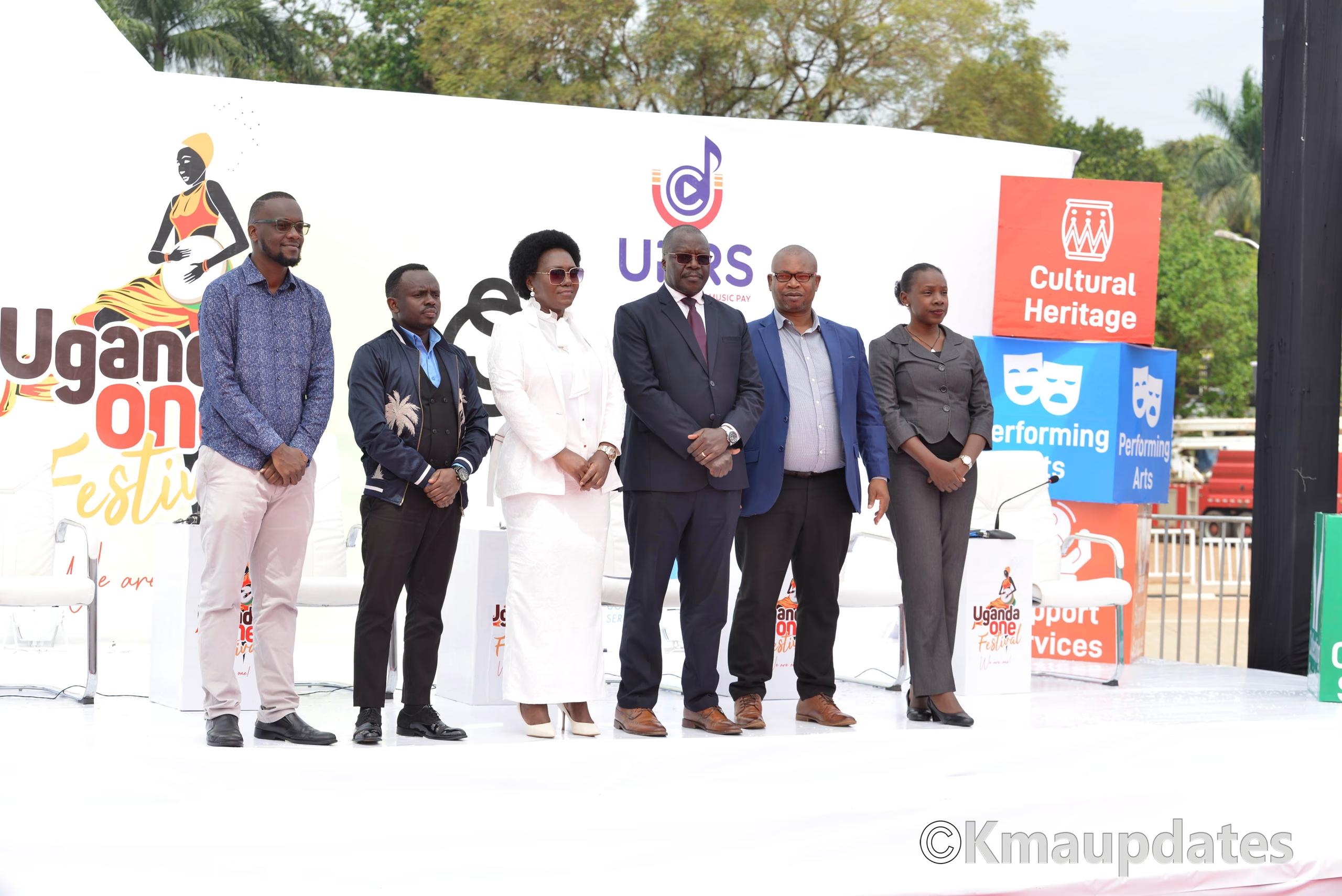
Photo by Ronald Kabuubi/KMA Updates.
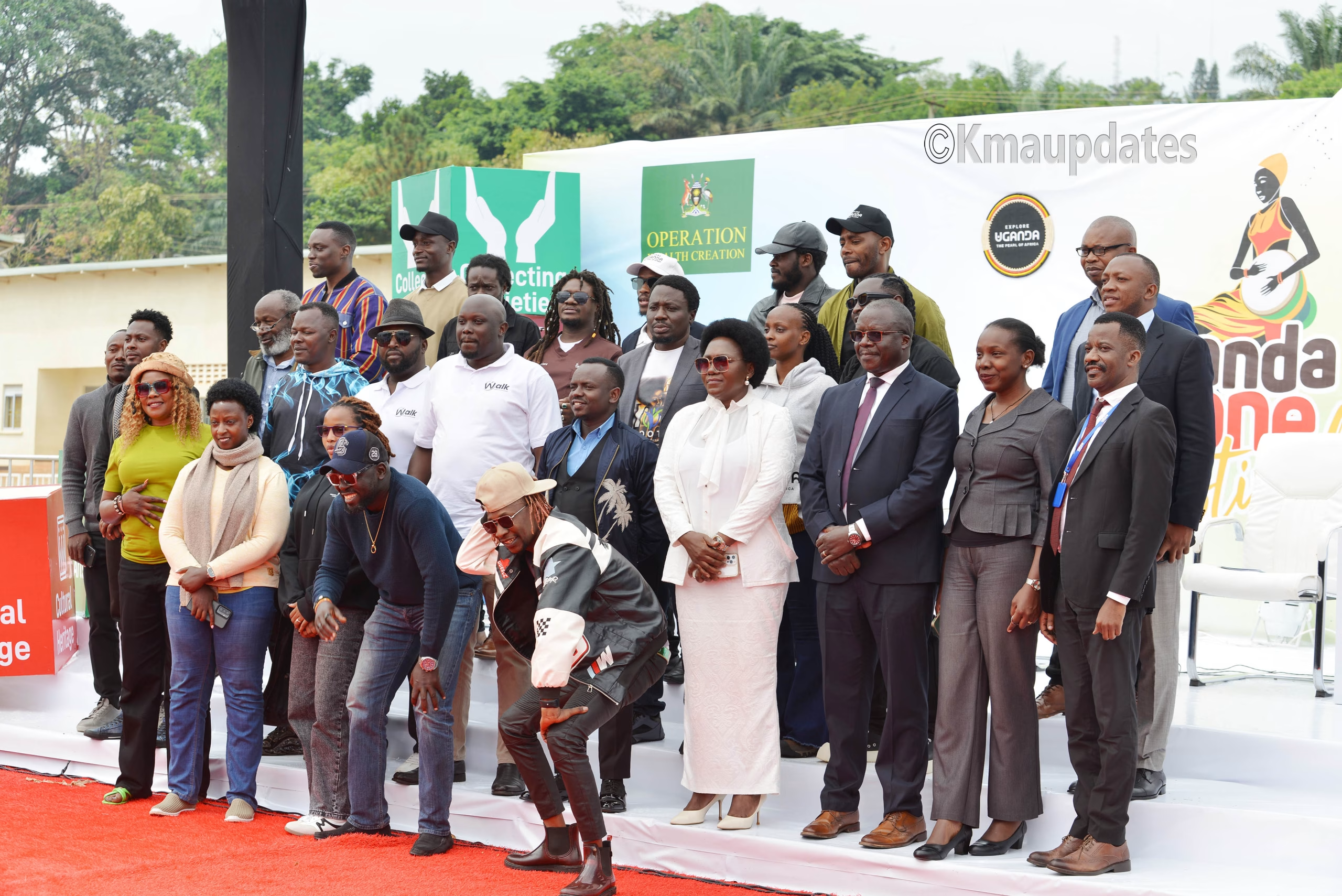
Photo by Ronald Kabuubi/KMA Updates.
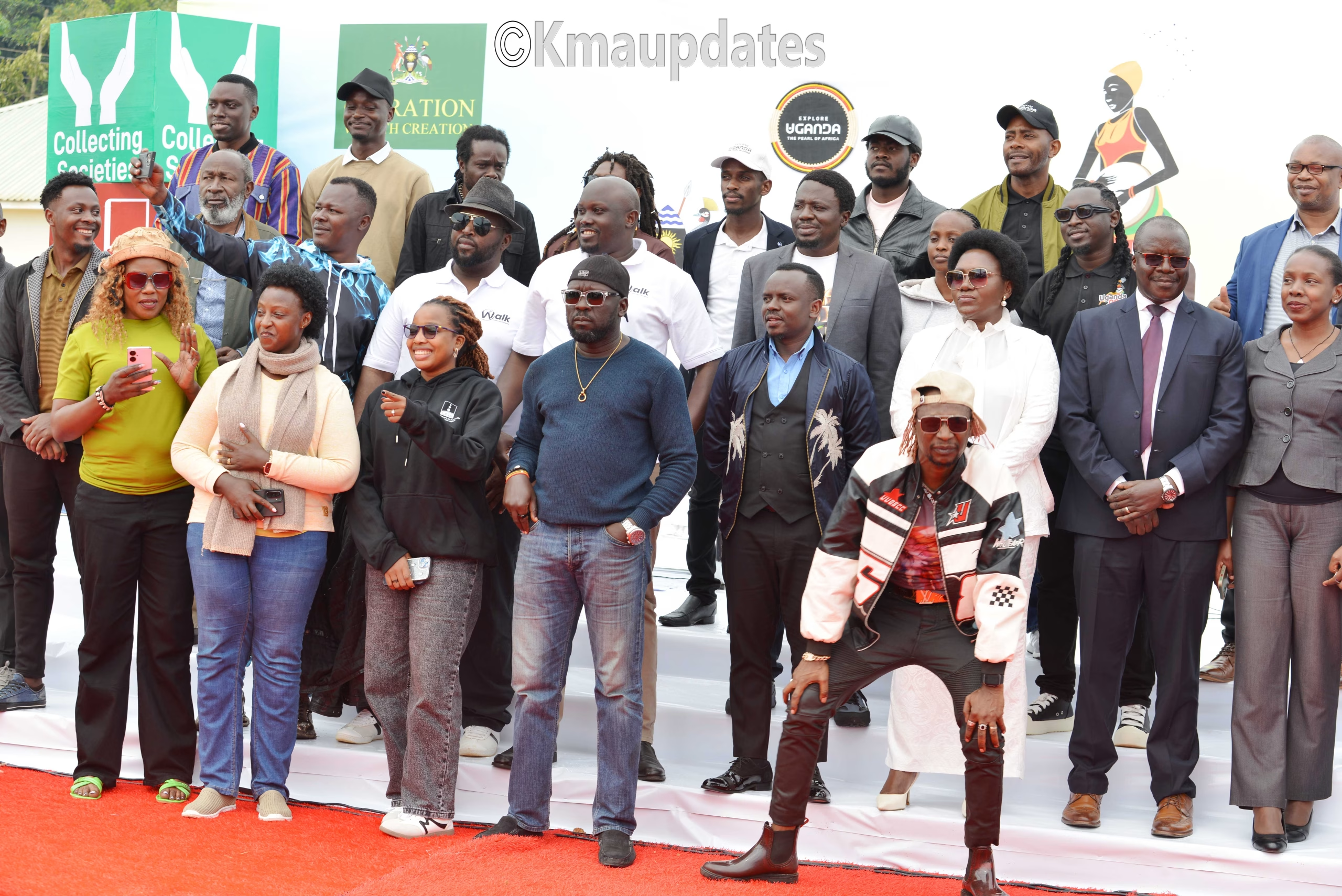
Photo by Ronald Kabuubi/KMA Updates.
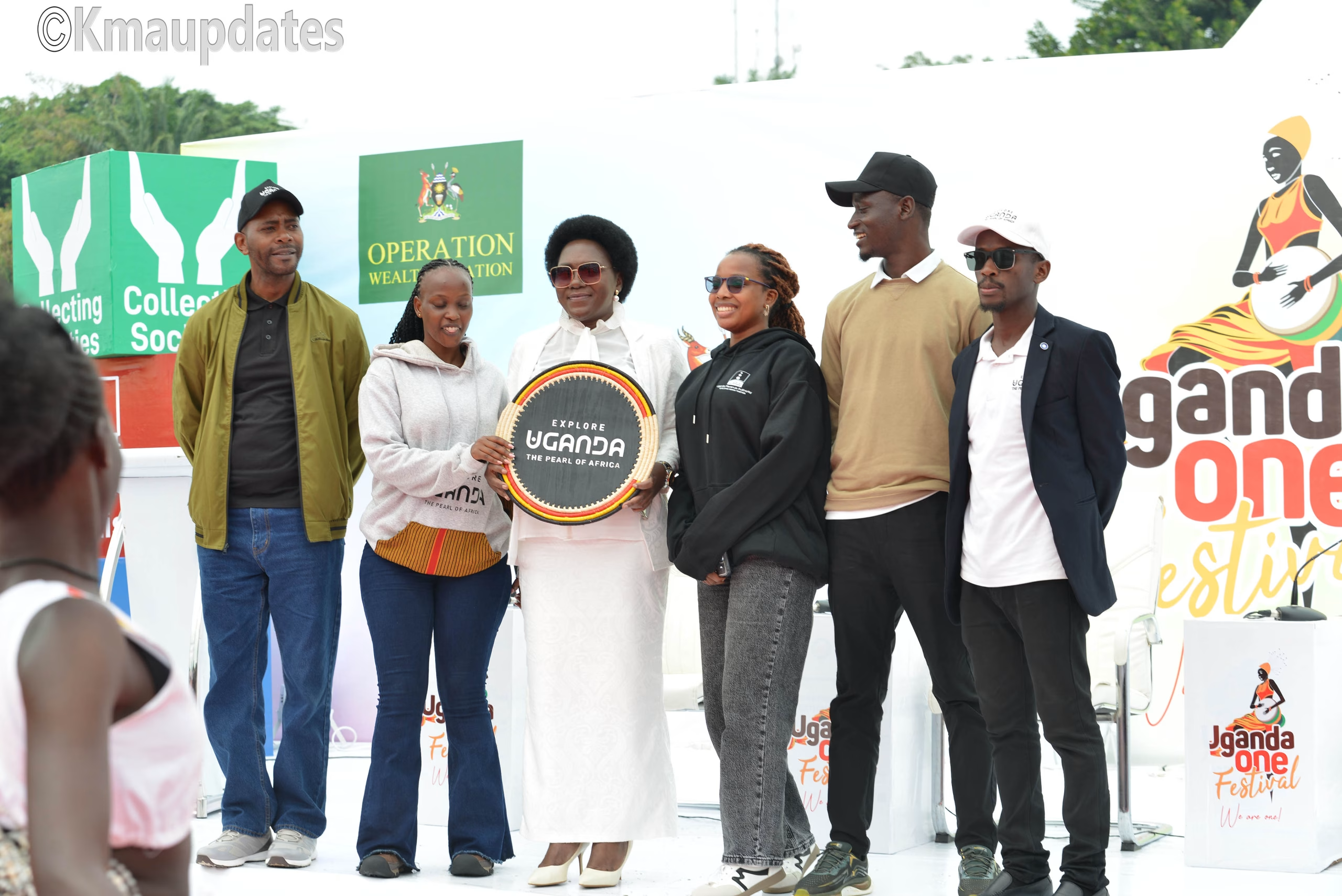
Photo by Ronald Kabuubi/KMA Updates.
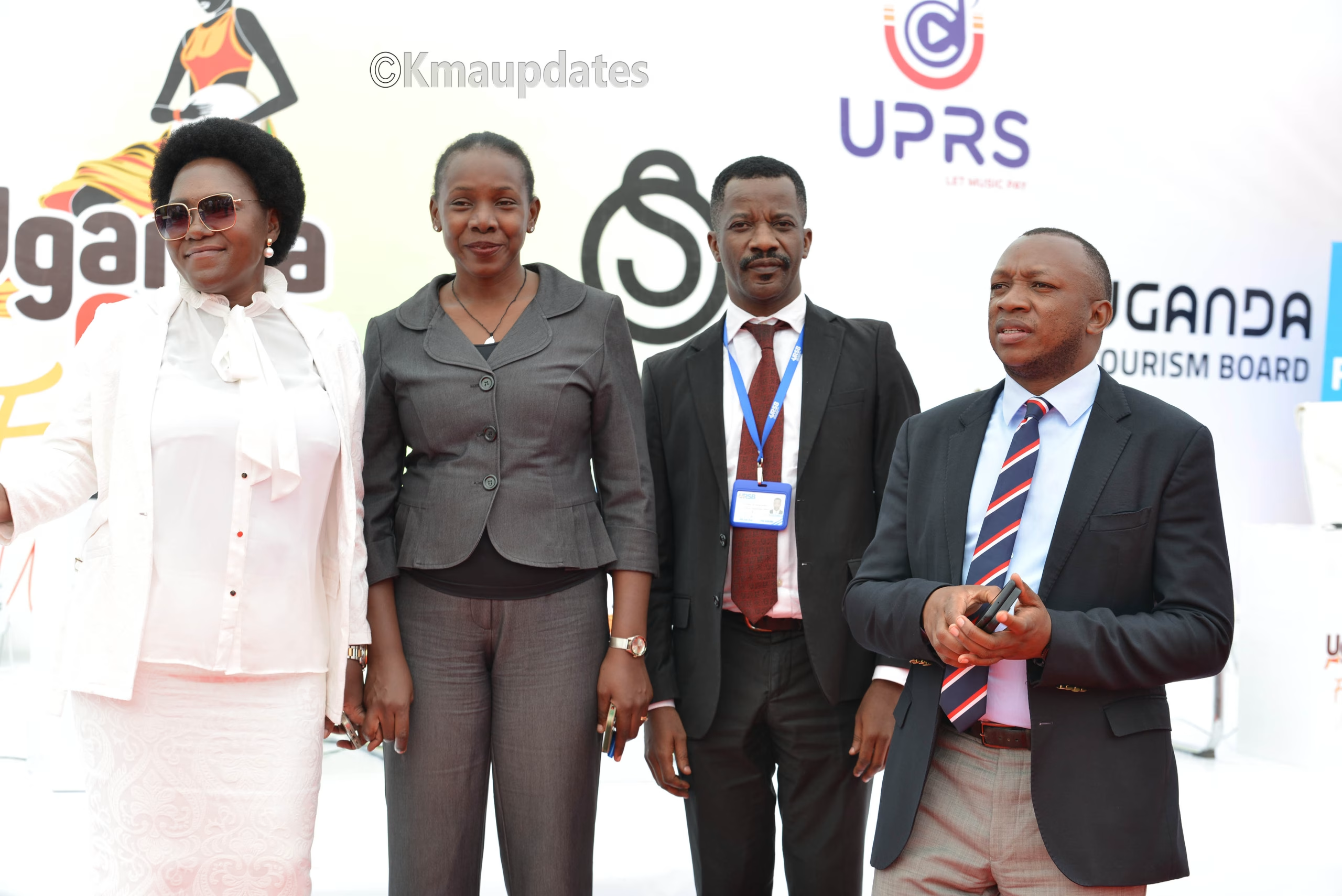
Photo by Ronald Kabuubi/KMA Updates.
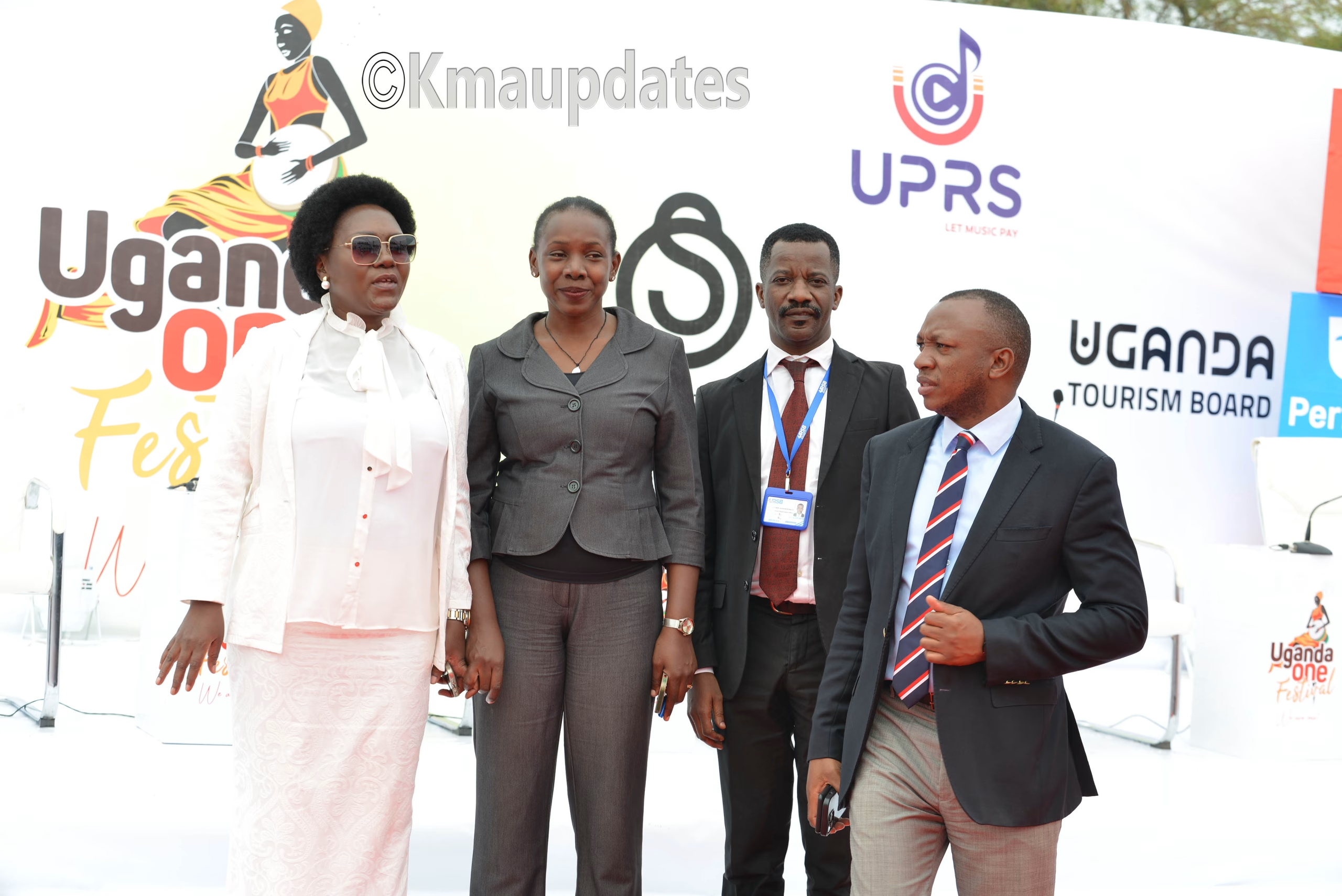
Photo by Ronald Kabuubi/KMA Updates.
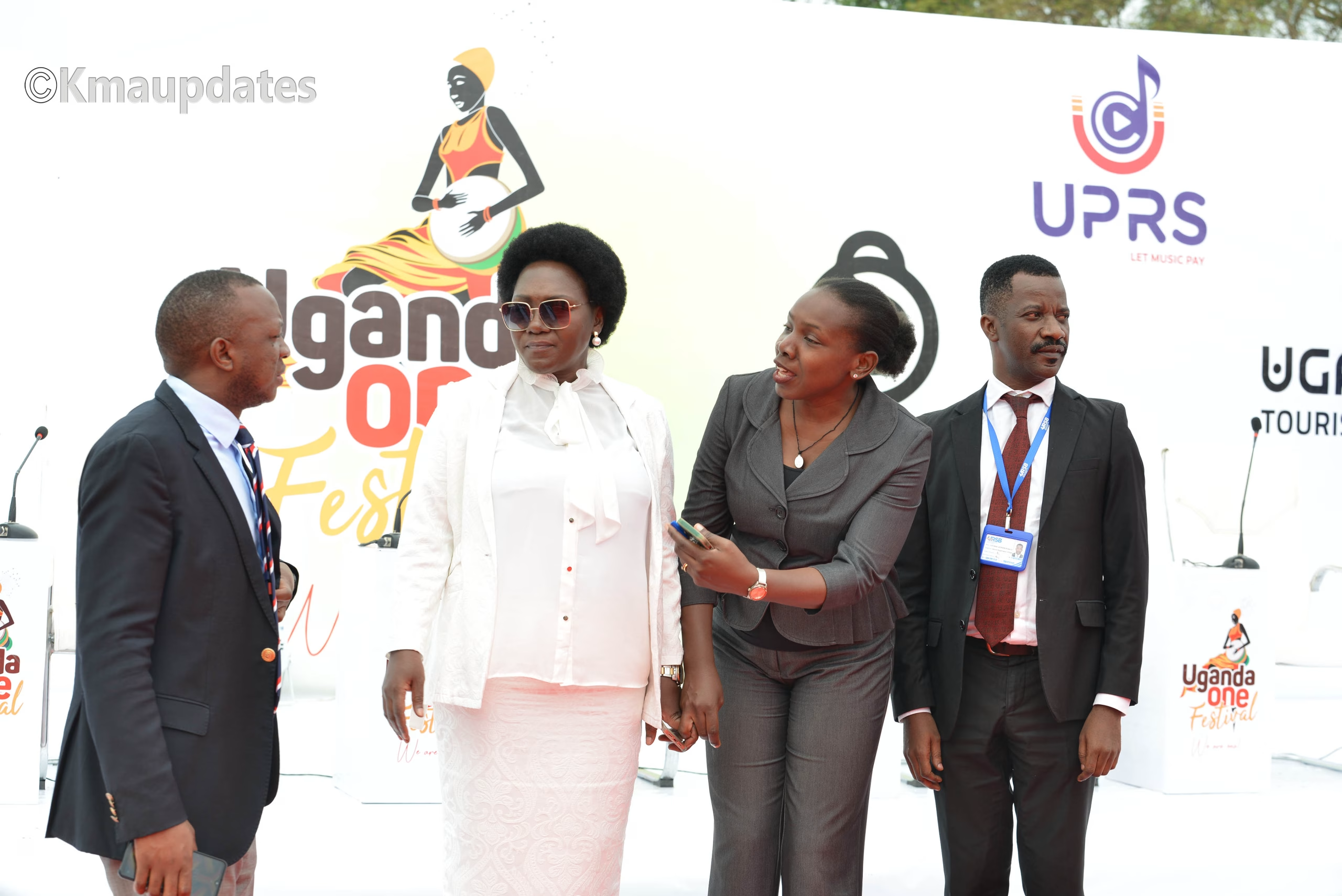
Photo by Ronald Kabuubi/KMA Updates.
Uganda’s creative and cultural industries have, over the years, evolved into a significant contributor to the national economy. According to government estimates, the sector employs hundreds of thousands of young people and contributes over UGX 2 trillion annually to the economy. Despite this contribution, a large proportion of creatives continue to operate informally, limiting their access to markets, financing, social protection, and structured income streams.
For years, the sector has also struggled with weak copyright enforcement, limited awareness of intellectual property rights, and unfair commercial use of creative works, particularly music and digital content. Many artists and content creators have repeatedly raised concerns about their work being used in public spaces and businesses without payment.
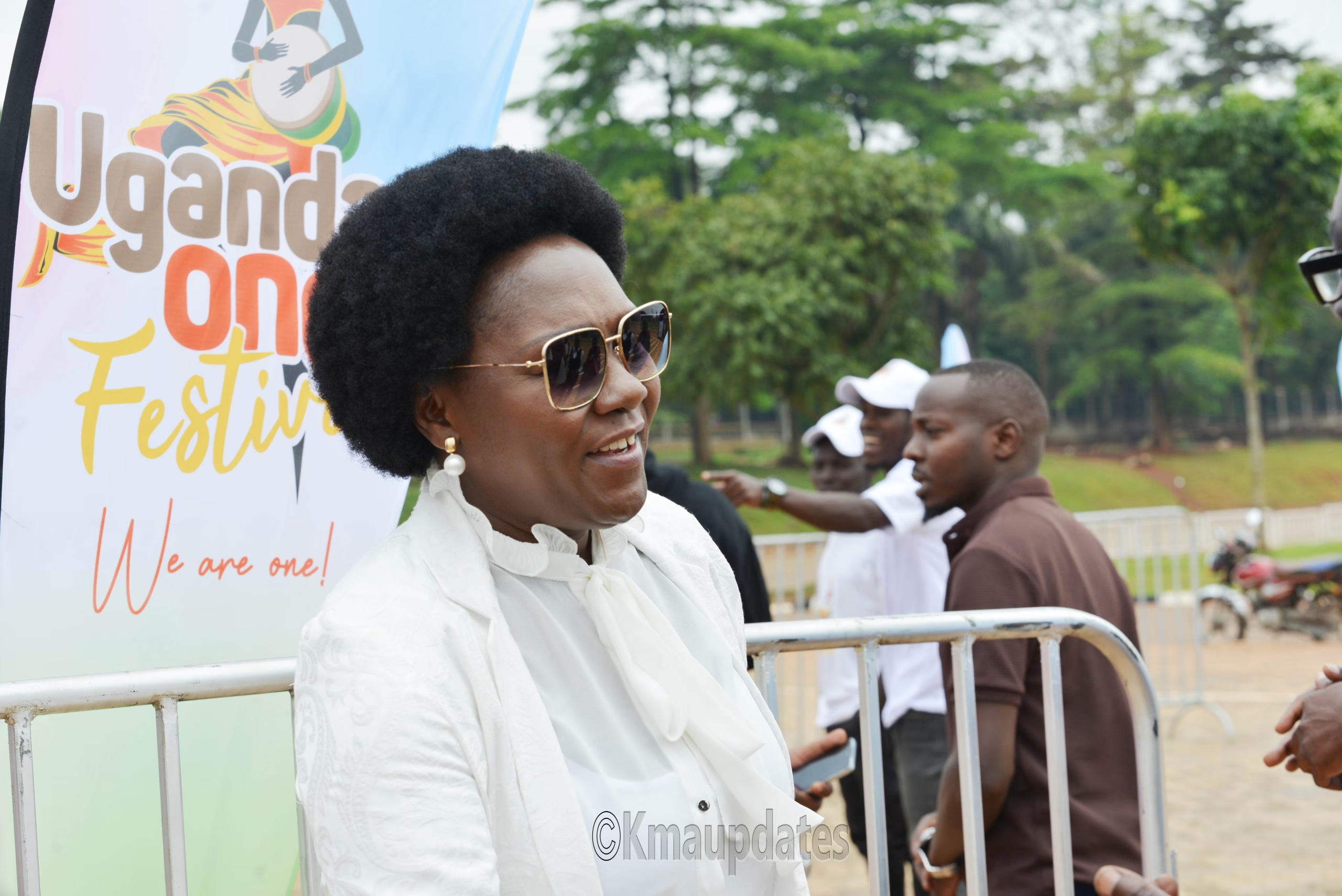
Ms.Sylvia Owor, the Chairperson of the National Organising Committee and Director of Operations at Operation Wealth Creation. Photo by Ronald Kabuubi/KMA Updates.
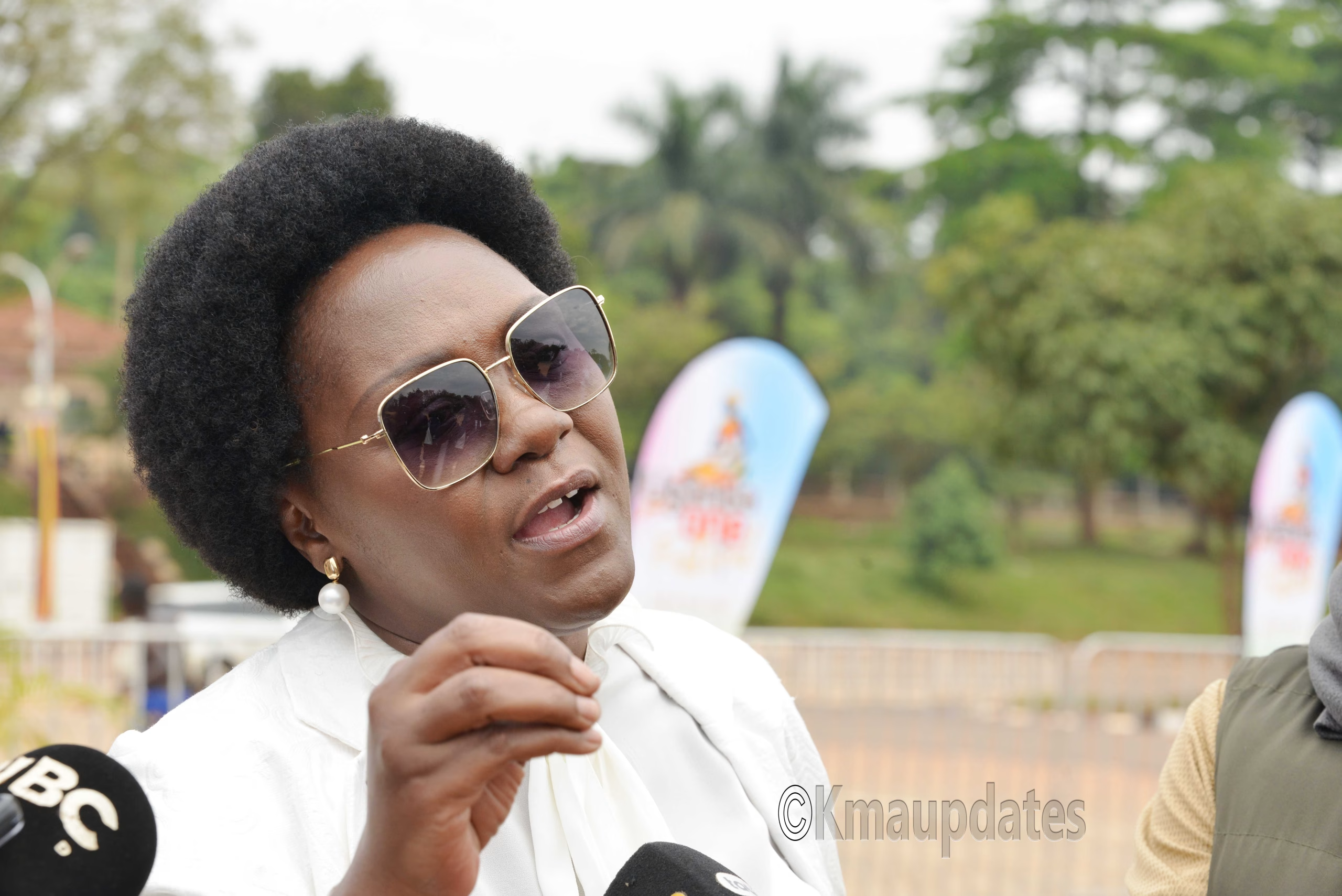
Ms.Sylvia Owor, the Chairperson of the National Organising Committee and Director of Operations at Operation Wealth Creation. Photo by Ronald Kabuubi/KMA Updates.
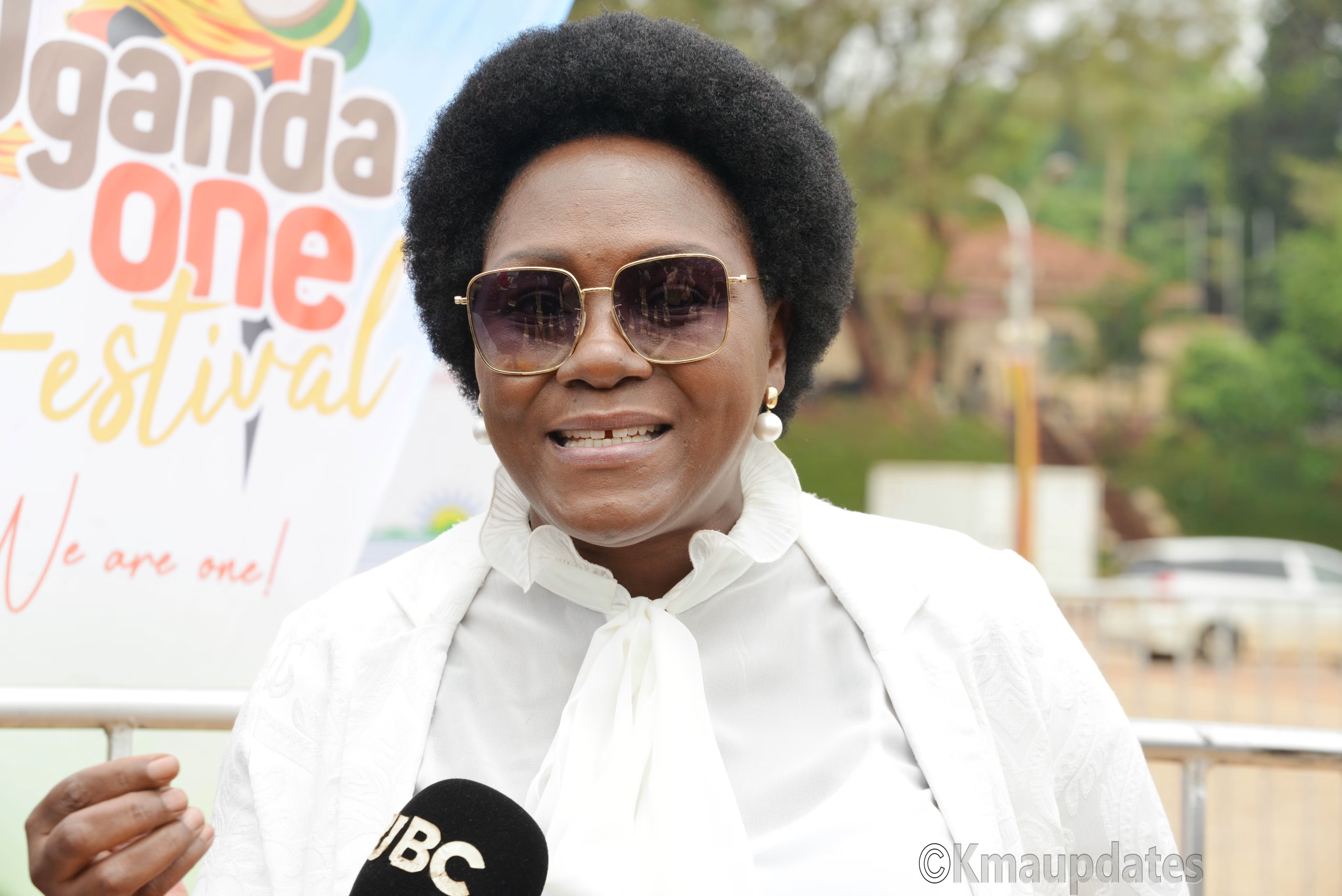
Ms.Sylvia Owor, the Chairperson of the National Organising Committee and Director of Operations at Operation Wealth Creation. Photoby Ronald Kabuubi/KMA Updates.
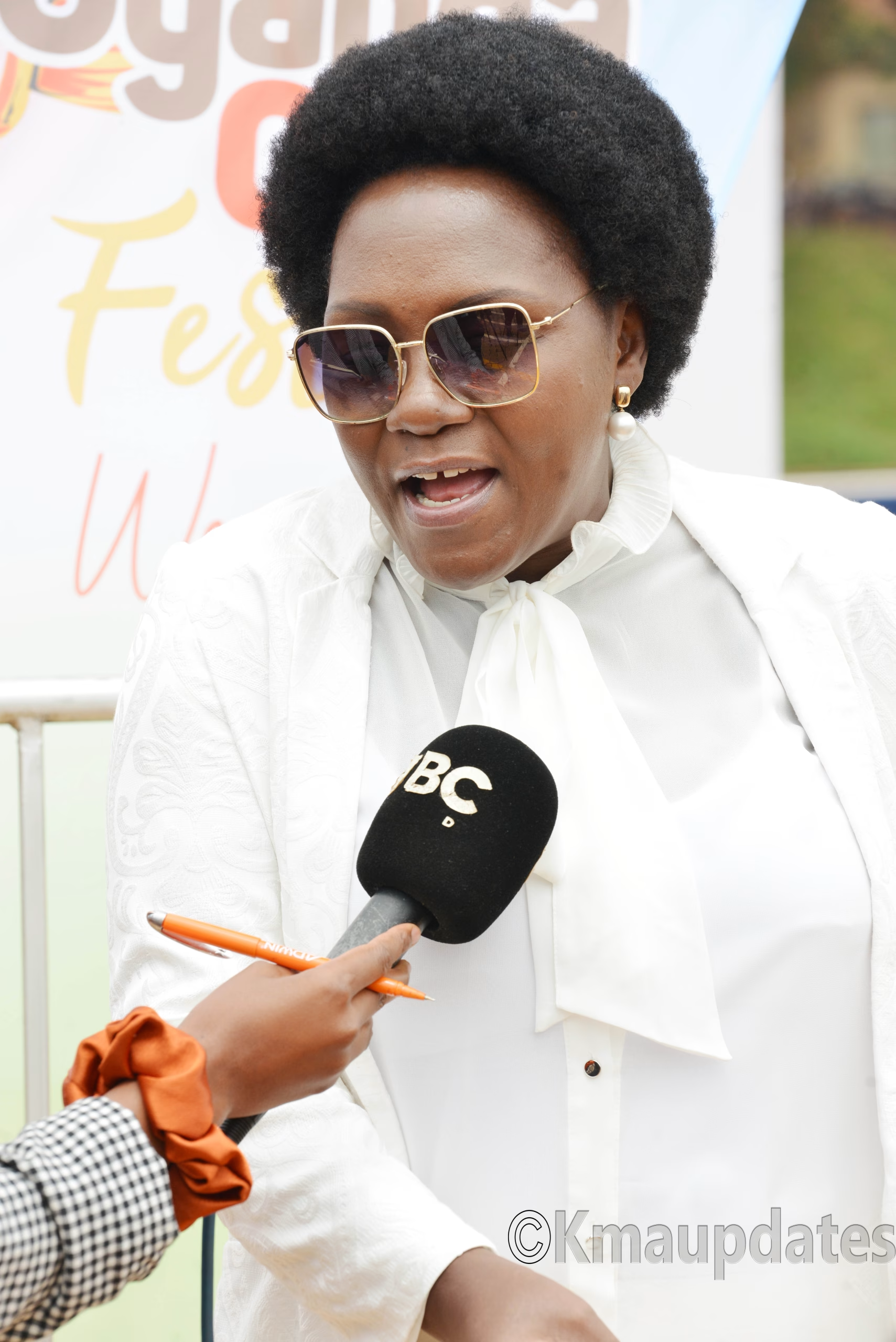
Ms.Sylvia Owor, the Chairperson of the National Organising Committee and Director of Operations at Operation Wealth Creation with Yoyo. Photo by Ronald Kabuubi/KMA Updates.

Ms.Sylvia Owor, the Chairperson of the National Organising Committee and Director of Operations at Operation Wealth Creation with Yoyo. Photoby Ronald Kabuubi/KMA Updates.
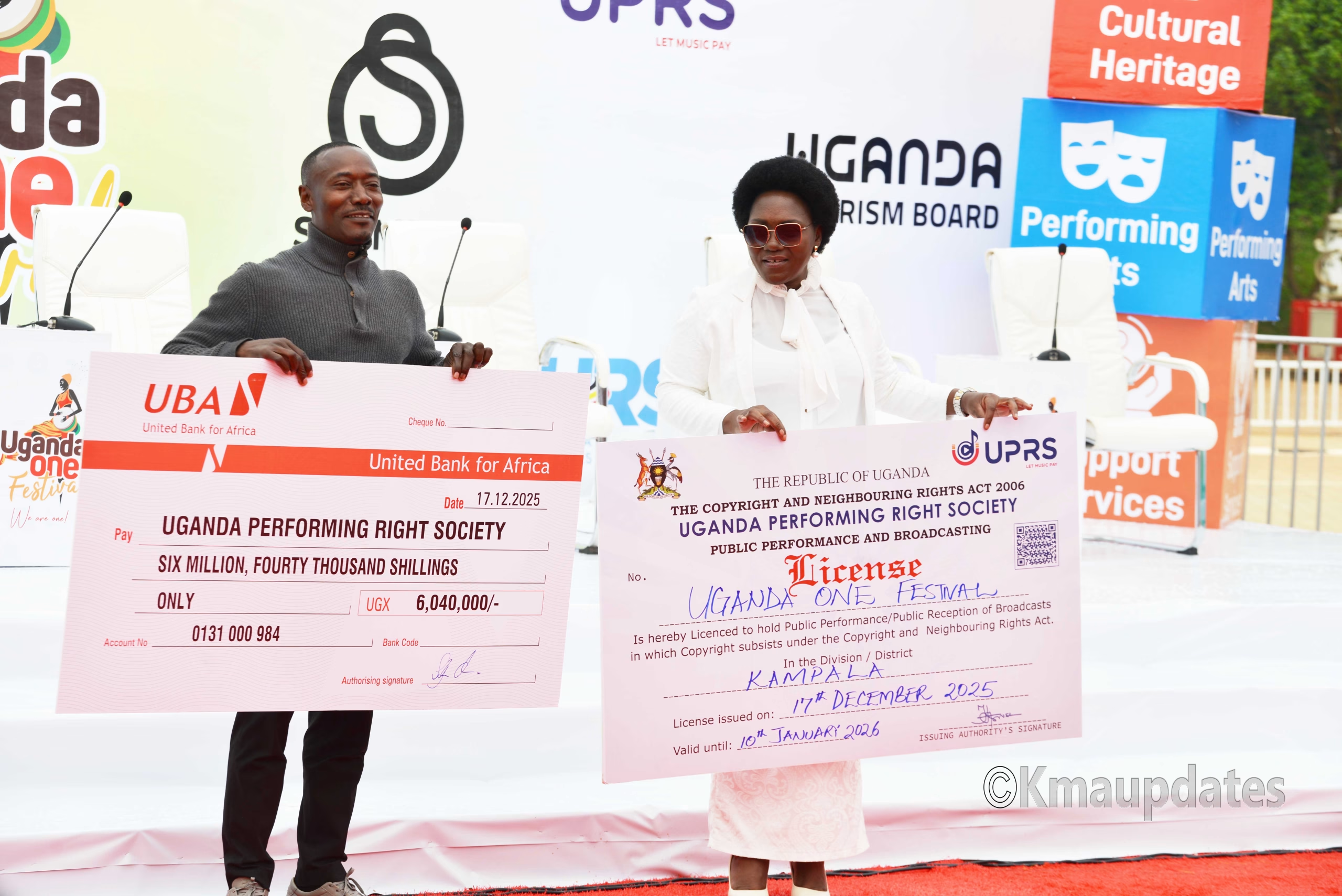
Ms.Sylvia Owor, the Chairperson of the National Organising Committee and Director of Operations at Operation Wealth Creation with Yoyo. Photoby Ronald Kabuubi/KMA Updates.
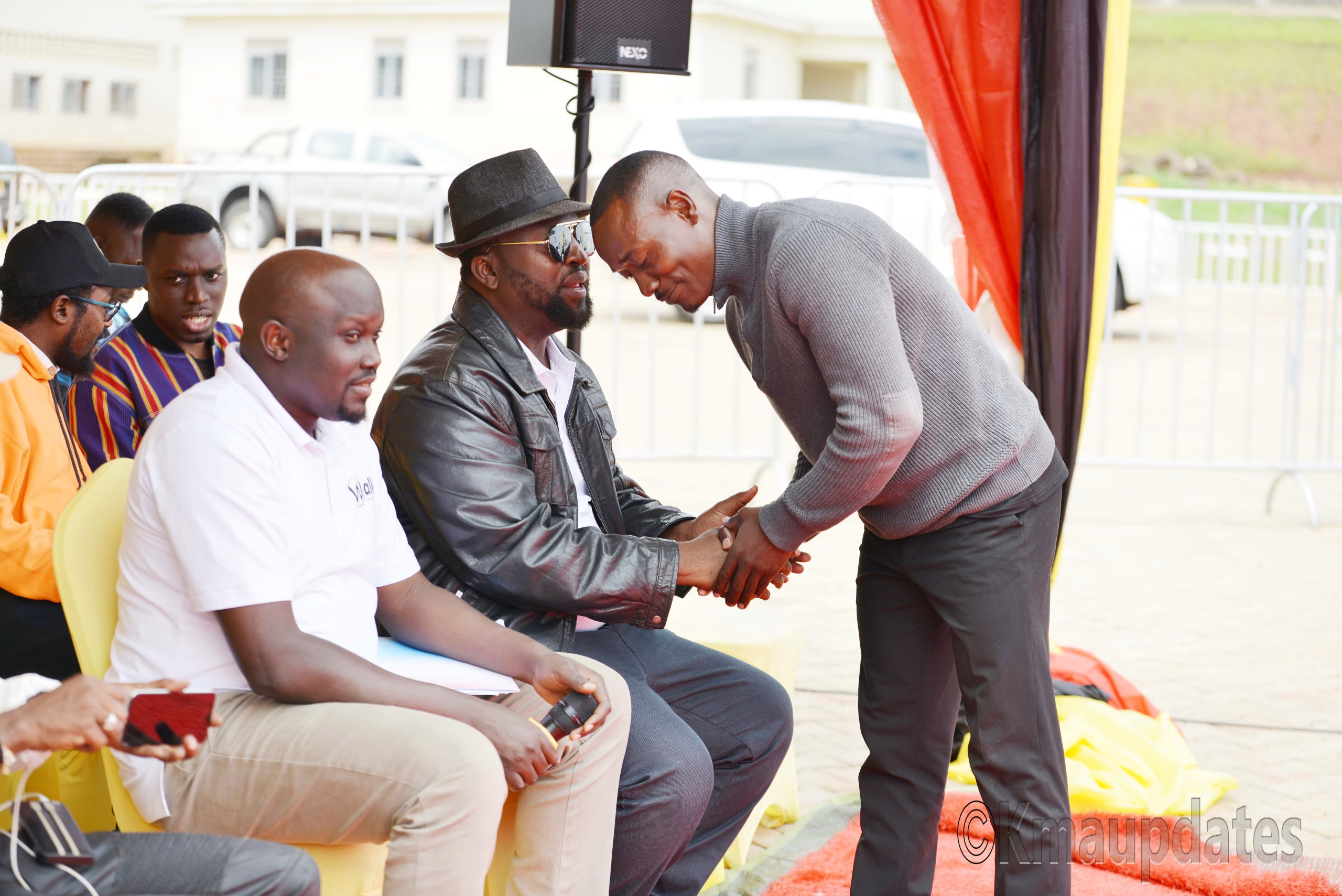
Photo by Ronald Kabuubi/KMA Updates.
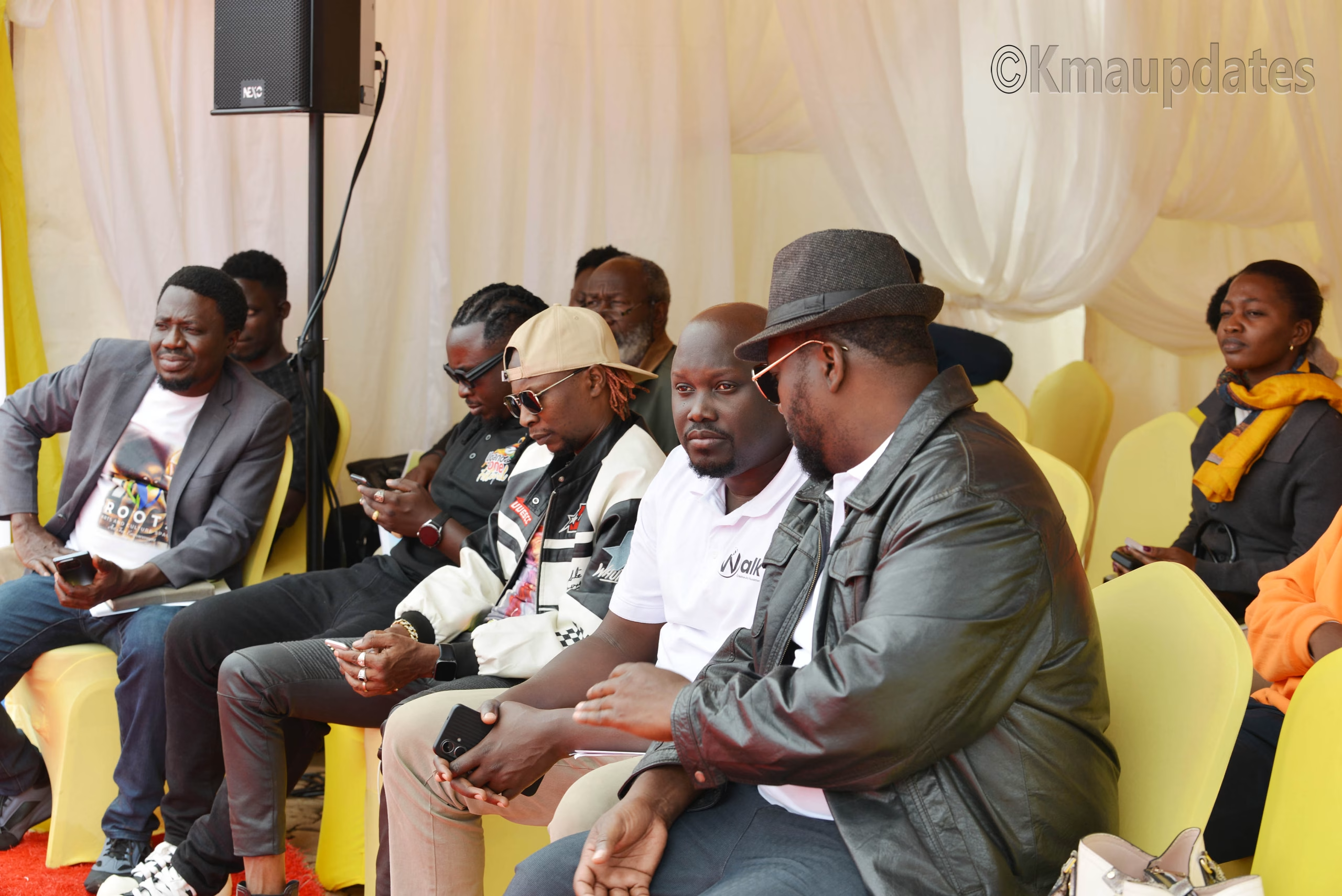
Photo by Ronald Kabuubi/KMA Updates.
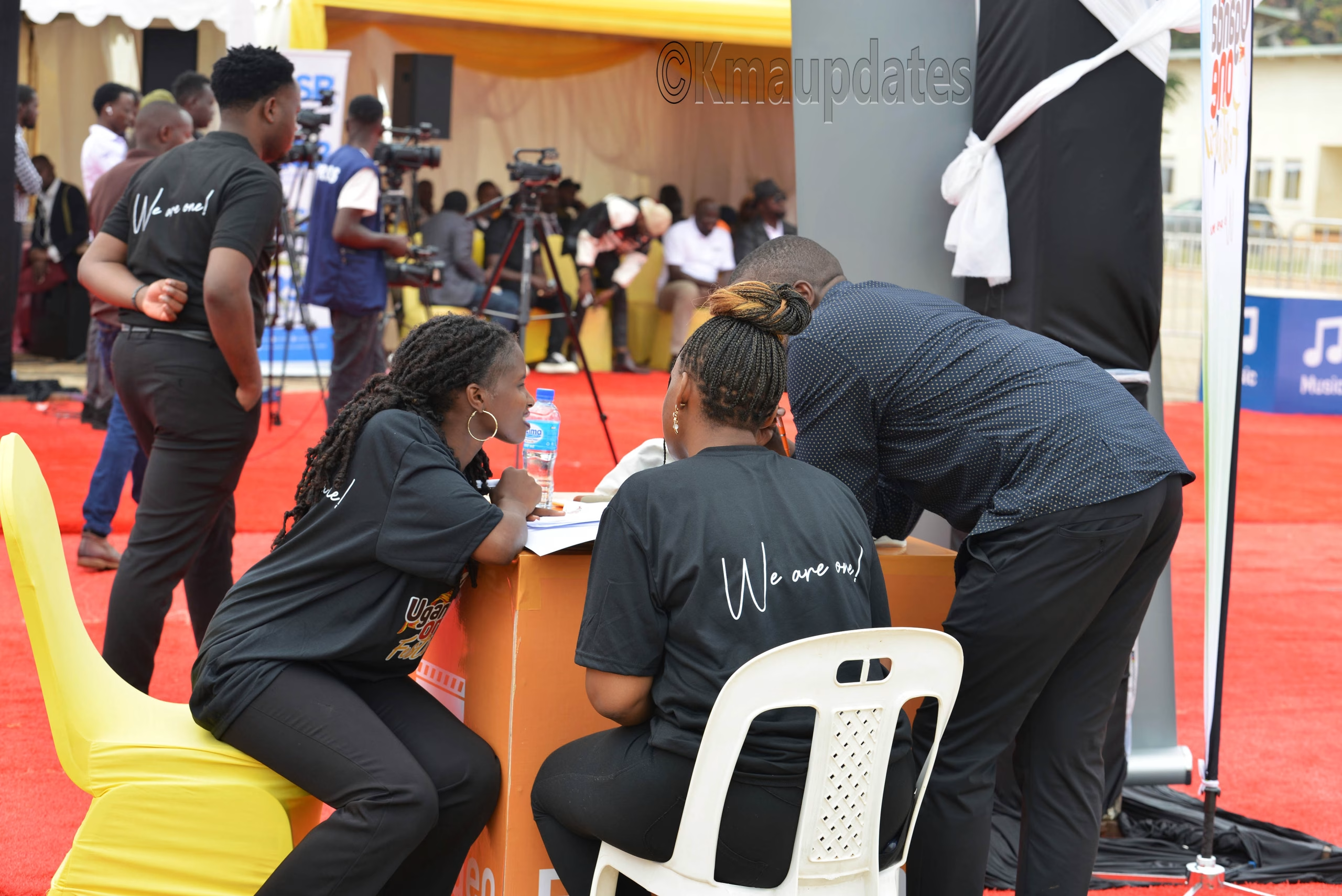
Photo by Ronald Kabuubi/KMA Updates.
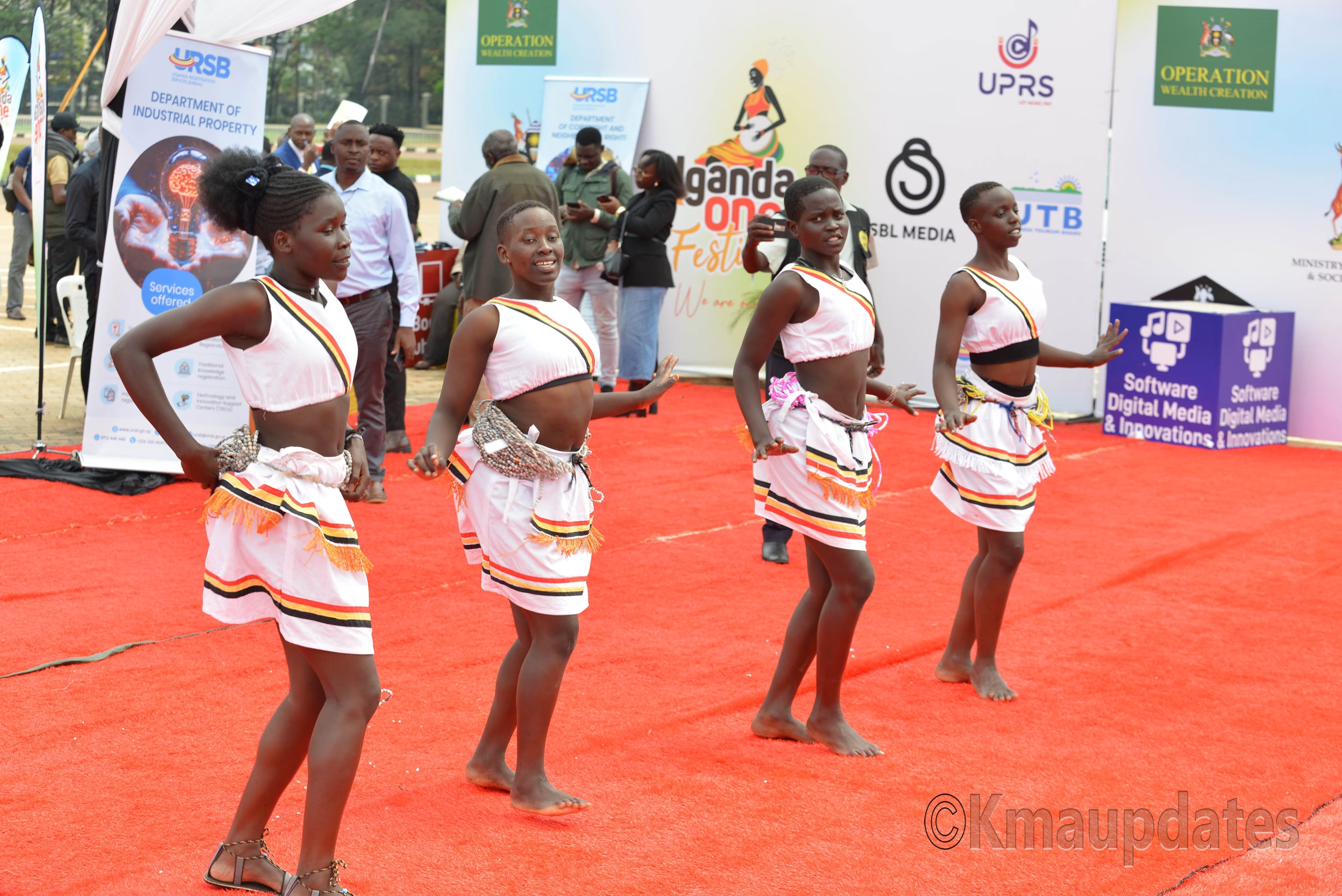
Photo by Ronald Kabuubi/KMA Updates.
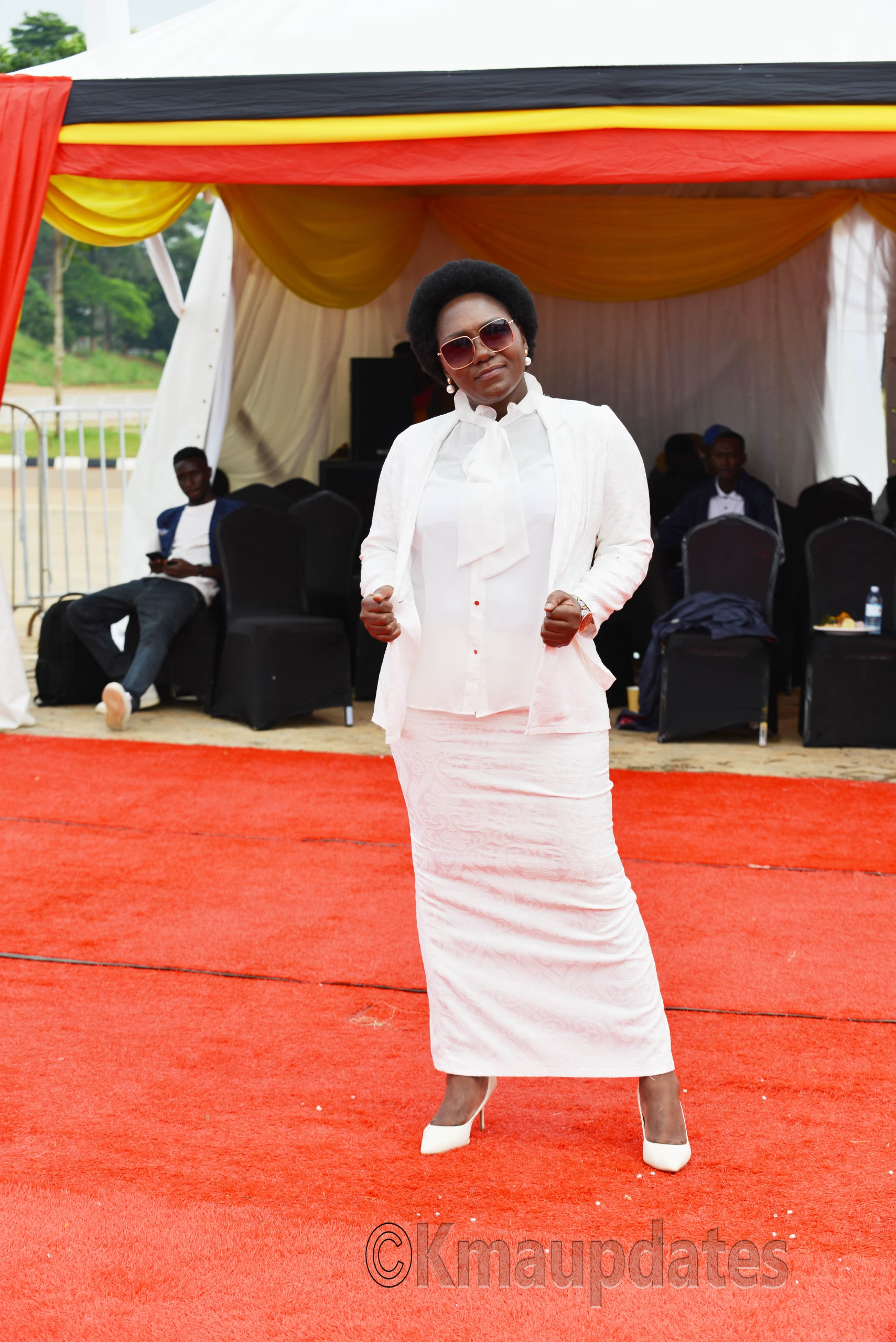
Ms.Sylvia Owor, the Chairperson of the National Organising Committee and Director of Operations at Operation Wealth Creation with Yoyo. Photoby Ronald Kabuubi/KMA Updates.
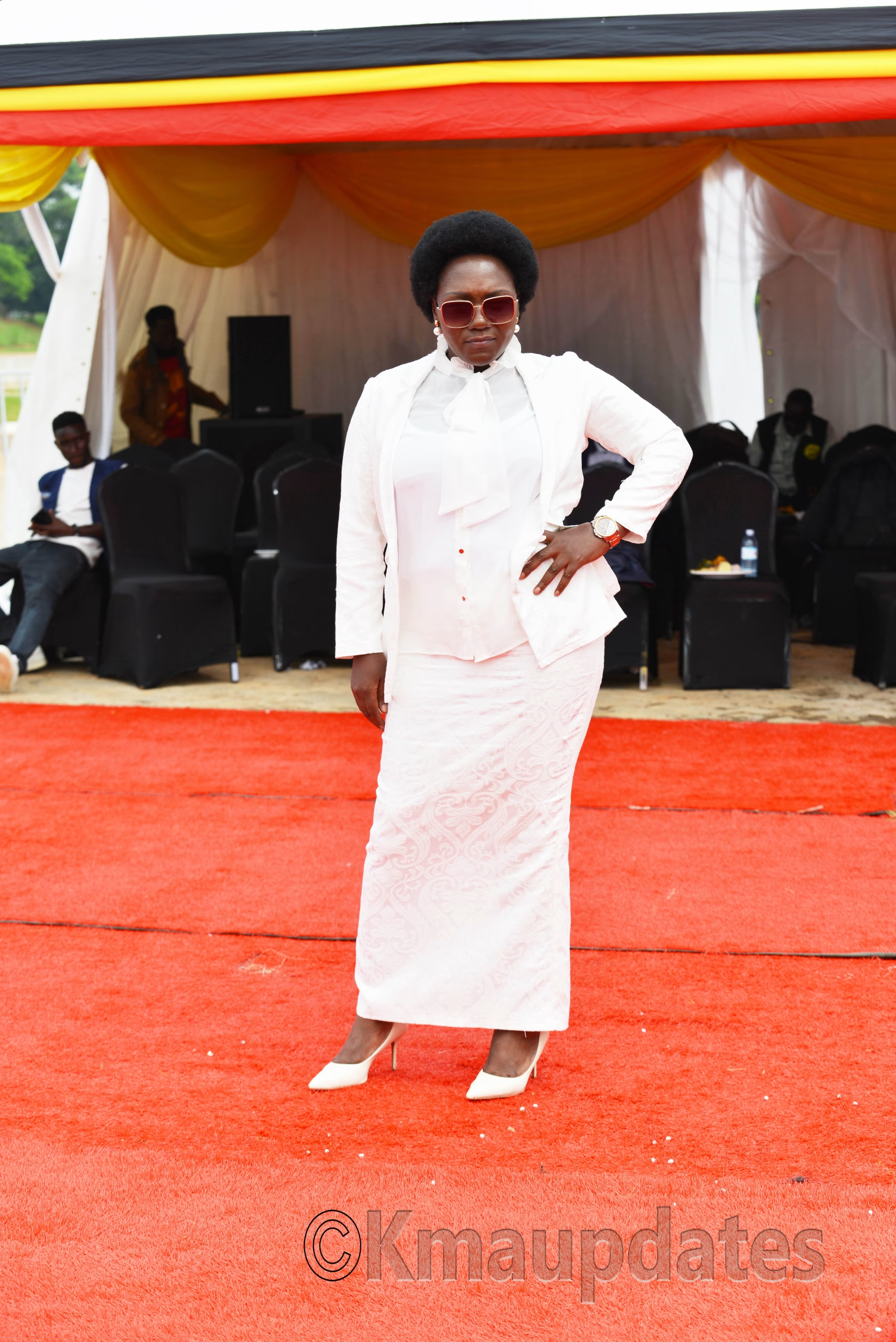
Ms.Sylvia Owor, the Chairperson of the National Organising Committee and Director of Operations at Operation Wealth Creation with Yoyo. Photoby Ronald Kabuubi/KMA Updates.
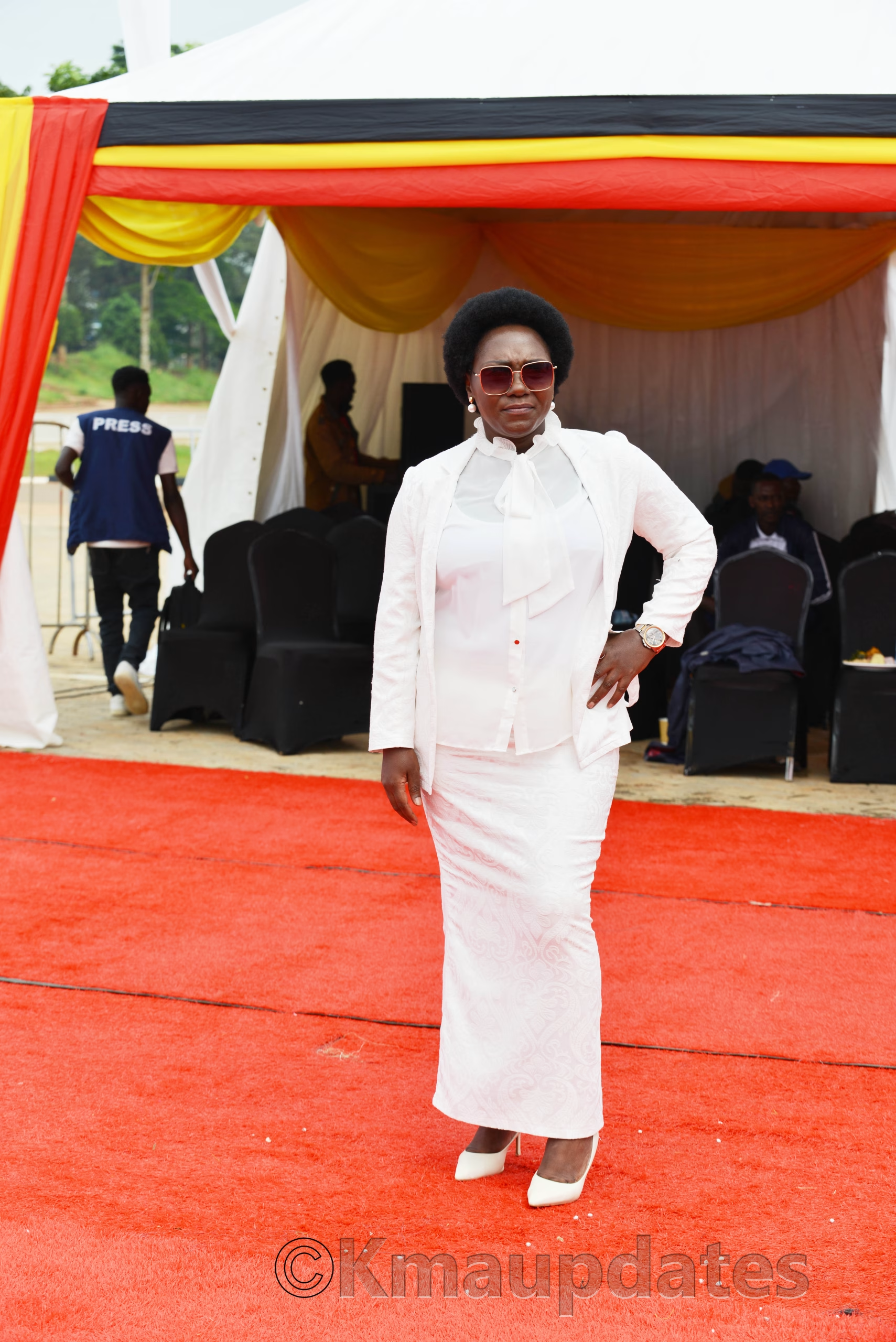
Ms.Sylvia Owor, the Chairperson of the National Organising Committee and Director of Operations at Operation Wealth Creation with Yoyo. Photoby Ronald Kabuubi/KMA Updates.
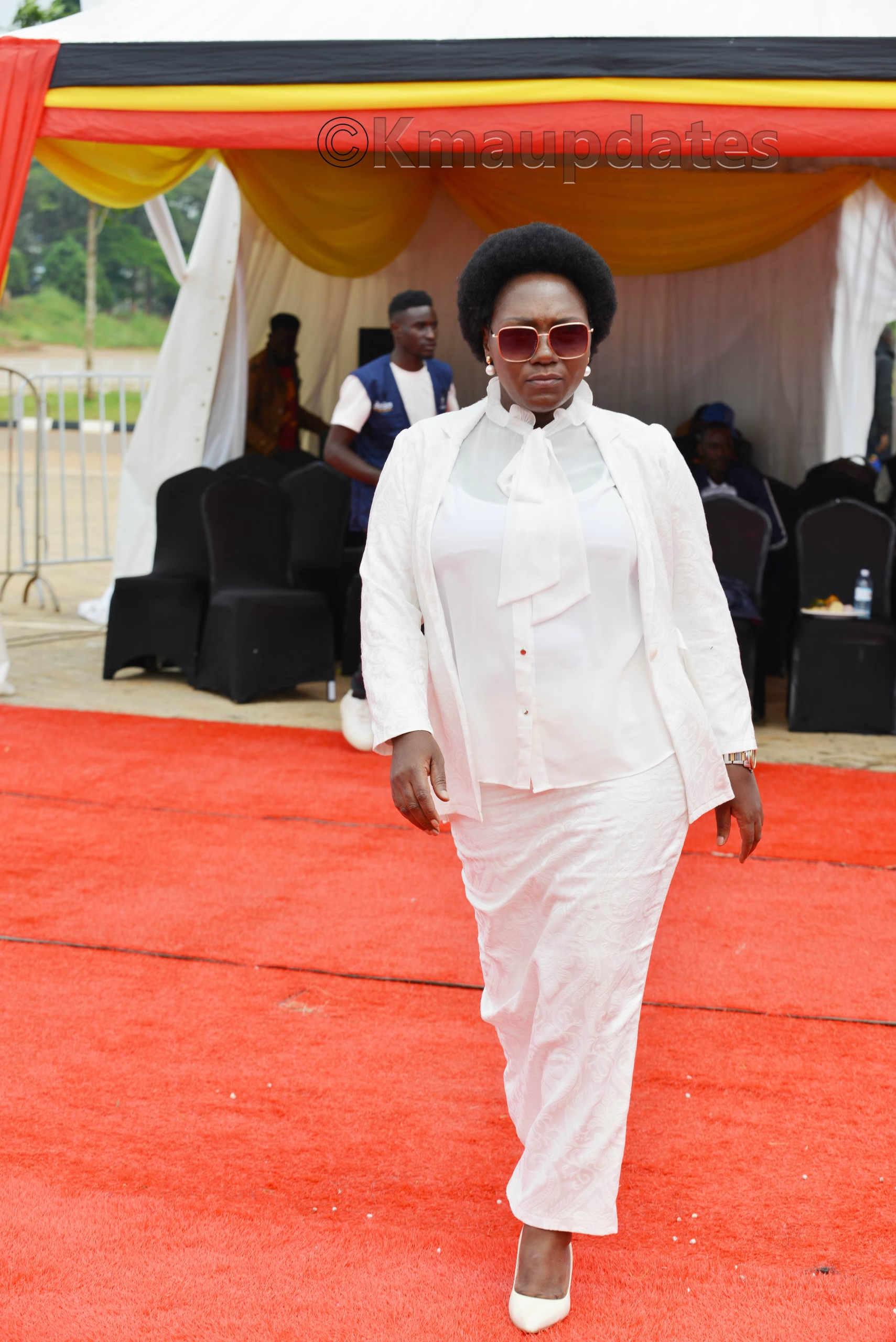
Ms.Sylvia Owor, the Chairperson of the National Organising Committee and Director of Operations at Operation Wealth Creation with Yoyo. Photoby Ronald Kabuubi/KMA Updates.
In response to these longstanding challenges, government efforts to streamline and professionalise the sector intensified in 2021, when Gen. Salim Saleh was tasked to study the creative industry. This process resulted in a series of policy dialogues aimed at improving regulation, financing, and organisation of creatives, including the formation of creative SACCOs to enhance access to funding.
Announcing the Uganda One Festival, Sylvia Owori, the Chairperson of the National Organising Committee and Director of Operations at Operation Wealth Creation (OWC), said the festival will act as a unifying platform for creatives across the country.
“The Uganda One Festival is meant to bring all creatives under one umbrella and provide a structured platform for growth. Government has already allocated over UGX 30 billion to support the creative industry, and we are urging artists and creative entrepreneurs to organise themselves so they can effectively tap into these resources.”
Owori further revealed that since the establishment of creative SACCOs, some organised groups have already begun receiving funding, signalling progress in the implementation of government support mechanisms.
“We are already seeing results. Some creative SACCOs have accessed funding, and this is just the beginning. Organisation is key if creatives are to benefit.”
Representing the Minister of Gender, Labour and Social Development, Joshua Kyalimpa noted that funding for the creative sector was directly provided by President Yoweri Kaguta Museveni, underscoring government’s commitment to leveraging creativity as a tool for employment creation and poverty reduction.
“This support reflects government’s recognition of the creative industry as a serious economic sector. Creativity is no longer just talent; it is a livelihood and a pathway to reducing unemployment among young people.”
As debates around fair payment continue to dominate the creative space, Herbert Mugisha from the Uganda Performing Rights Society (UPRS) reminded businesses and individuals that the commercial use of music is regulated by law.
“Music and other creative works are protected under the law. During the Uganda One Festival, organisers have committed to ensuring that music pays, with systems in place to compensate artists whose works will be used.”
Mugisha emphasized that compliance with copyright laws is not optional, urging users of music in public and commercial spaces to respect artists’ rights.
However, stakeholders stress that for creatives to fully benefit from these reforms, formal registration of intellectual property is essential. Dennis Nabende, Head of Communication at the Uganda Registration Services Bureau (URSB), highlighted copyright registration as a critical safeguard against exploitation.
“Copyright registration protects creatives from exploitation and ensures they can earn from their innovations. Formalising creative works is a crucial step towards sustainability in the industry.”
As Uganda positions its creative sector as a pillar of socio-economic transformation, the Uganda One Festival is expected to not only celebrate talent but also accelerate formalisation, funding access, and enforcement of intellectual property rights. With increased government investment, policy reforms, and stakeholder collaboration, the festival marks a significant step toward unlocking the full potential of Uganda’s creative economy.R