


By Naome Namusoke | KMA Updates
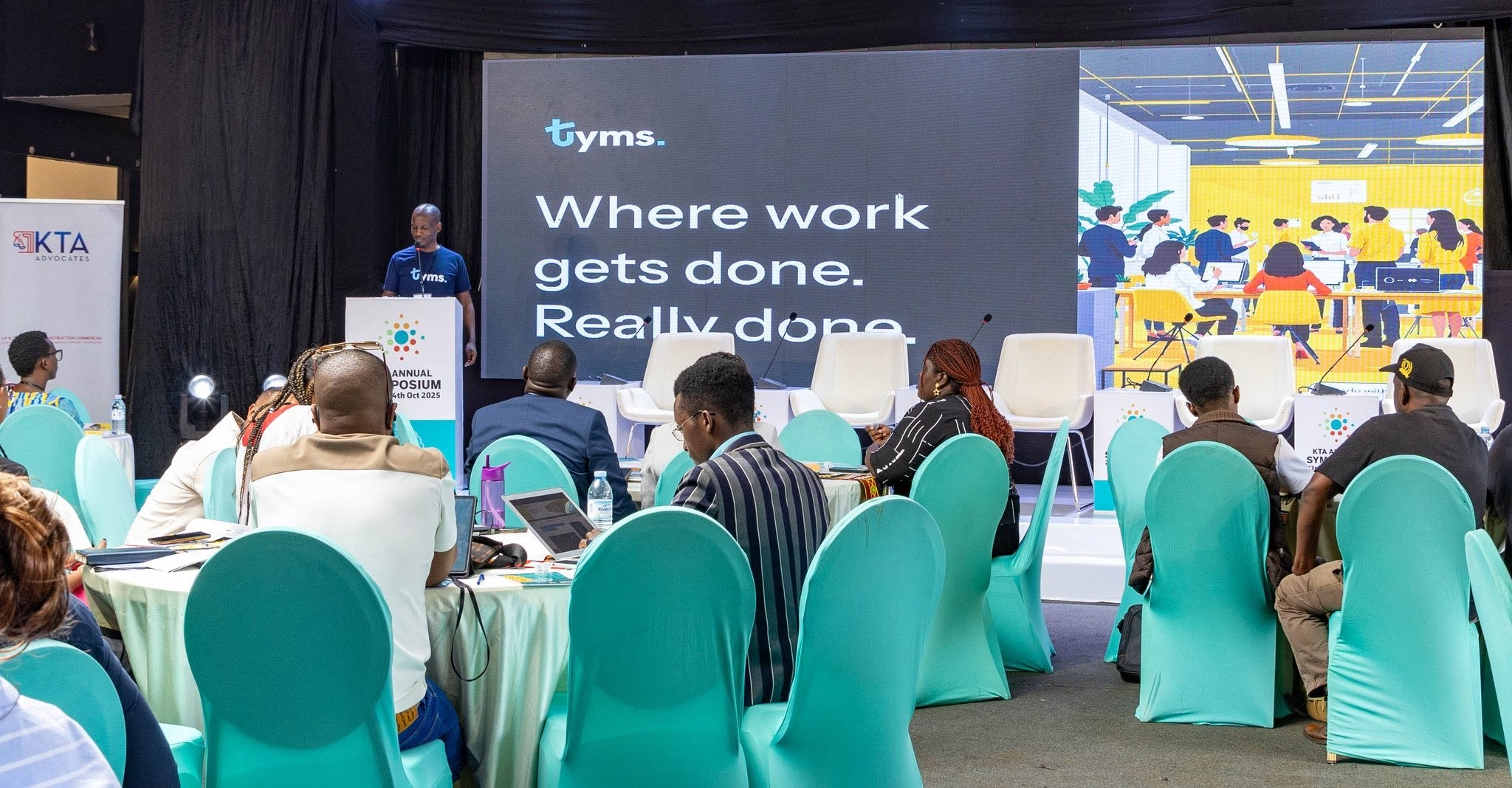
Uganda’s digital future has taken center stage as the 8th KTA Symposium rallies industry leaders, policymakers, and innovators to chart a path toward digital transformation. The symposium is emphasizing the power of technology, artificial intelligence, and digital trade in accelerating economic growth and positioning Uganda as a key player in the global digital economy.
Held under the theme “Digital Trade, AI, and the Creative Economy as Drivers of Digital Transformation,” the symposium provided a platform for dialogue on how Uganda can harness emerging technologies to unlock new economic opportunities, enhance productivity, and build a more inclusive digital ecosystem.
Uganda has been steadily advancing its digital transformation agenda, driven by strategic policies, infrastructure development, and increasing adoption of digital tools across key sectors. The government’s Digital Transformation Roadmap (2023–2028) outlines ambitious targets, including 90% broadband coverage, 90% household internet connectivity, and 90% citizen engagement with e-services by 2040.
These goals reflect Uganda’s commitment to achieving a knowledge-based economy, where innovation and technology are key pillars of growth. However, experts at the symposium noted that several obstacles persist — including digital literacy gaps, particularly in rural areas, as well as infrastructure limitations such as inadequate broadband coverage and unreliable electricity supply.

To bridge these gaps, KTA advocates has been organizing annual symposiums to facilitate collaboration between government, academia, and the private sector. The 8th edition has marked another milestone in strengthening Uganda’s digital policy framework and promoting innovation-led growth.
According to Kenneth Muhangi, a member of the Uganda Law Society, there is a pressing need for Uganda to embrace radical approaches to drive tangible digital transformation. He cited examples of telecom companies leveraging technology to provide digital loans, which are revolutionizing the financial landscape by expanding access to credit and promoting financial inclusion.
“For us to see real change, we must be bold in adopting innovations and rethinking how society interacts with technology,” Muhangi emphasized.

Vincent Mangeni from the National Planning Authority (NPA), representing the Executive Director, revealed that the upcoming National Development Plan IV (NDP IV) will introduce a tenfold strategy aimed at accelerating Uganda’s digital transformation across all sectors.
He highlighted the importance of reducing internet costs through investment in broadband infrastructure, promoting e-commerce adoption, and aligning cross-border trade policies with the African Continental Free Trade Area (AfCFTA).
Mangeni also pointed out ongoing challenges such as limited market access and cybersecurity threats to intellectual property, stressing the need for collective action to build a resilient digital economy.
Artificial intelligence took center stage during the discussions, with Atuhaire Collins, an AI software engineer, noting a significant AI literacy gap in Uganda.He expressed concern that many people use AI tools such as ChatGPT without understanding their underlying mechanics or implications.
“We need more AI software engineers who not only use these tools but also understand how they work, how data is processed, and what ethical challenges come with them,” Atuhaire said, calling for increased investment in AI education and training.
In the realm of digital trade, Stella Ayikoru from the Uganda Free Zones Authority acknowledged that while Uganda’s e-commerce sector is growing, it remains in its early stages. She noted that policy gaps and trade barriers continue to slow progress, though the East African Community (EAC) is developing frameworks to streamline digital trade and enhance cross-border collaboration.

“We need more supportive policies, harmonized trade regulations, and a stronger logistics ecosystem to enable Ugandan businesses to thrive online,” Ayikoru remarked.
Representing the European Union Delegation in Uganda, Sphan Damin announced that the EU has invested over UGX 40 billion under the Support to Business and Economic Development in Uganda (SB4U) program. The initiative focuses on enhancing trade, promoting digital innovation, and strengthening the business ecosystem.
Damin further revealed an additional UGX 100 billion allocation to support digital markets, e-governance, and cybersecurity, reaffirming the EU’s commitment to supporting Uganda’s digital transformation.
“E-commerce is not just a convenience — it’s a vital driver of modern economies, and Uganda has the potential to become a regional digital hub if it continues on this path,” he added.
The 8th KTA Symposium underscored the need for collaboration, innovation, and policy reform to accelerate Uganda’s digital transformation. As stakeholders work toward building a digitally inclusive society, the discussions from this symposium are expected to inform national strategies that will shape Uganda’s technological future and its role in the global digital economy.