

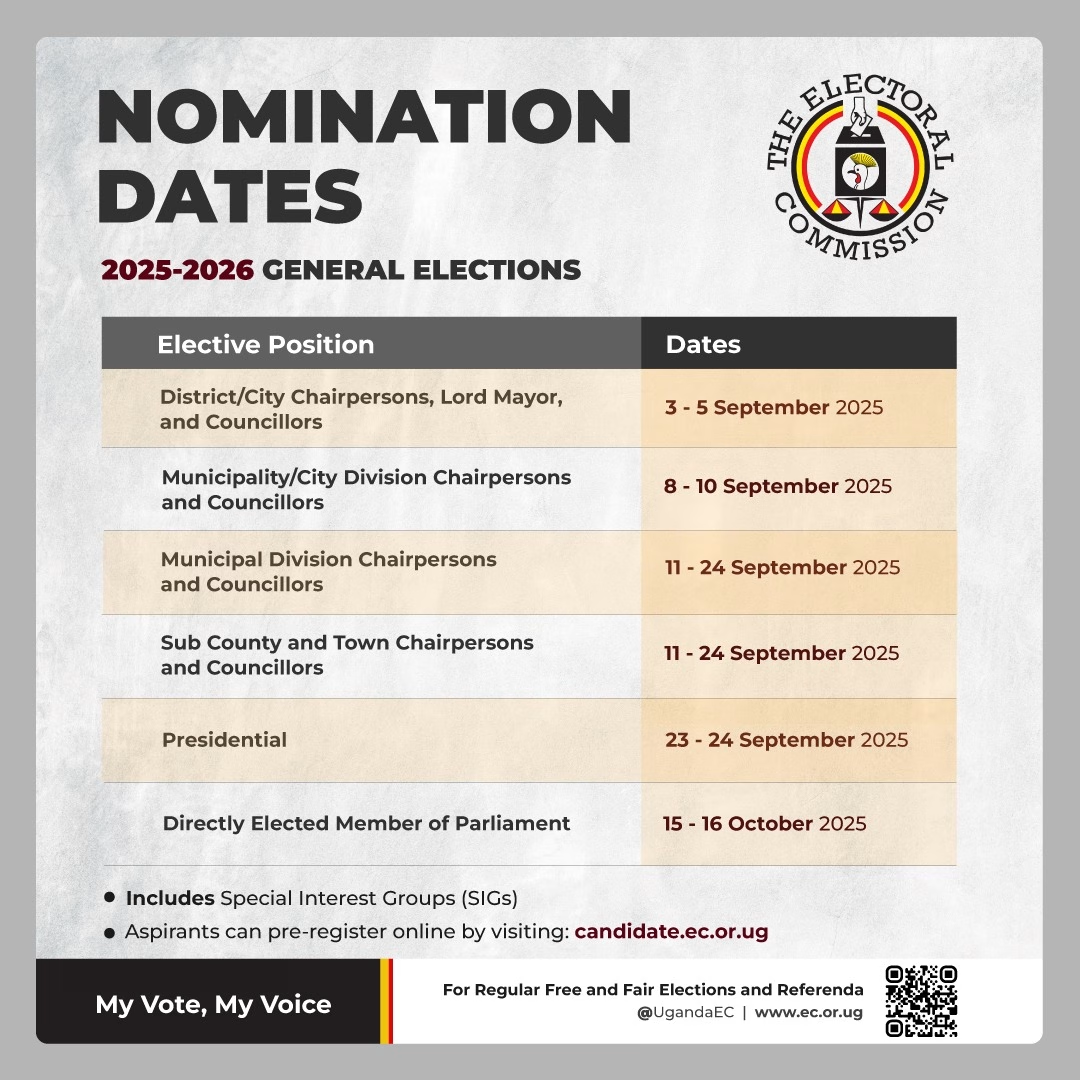
Kampala, Uganda: The Democratic Party (DP), Uganda’s oldest political organization, has for the first time in its history failed to field a presidential candidate, as the Electoral Commission (EC) concluded the two-day nomination exercise on September 24, 2025, at its grounds in Lweza–Lubowa, in Entebbe.
While eight candidates were officially cleared to contest in the 2026 race, the absence of DP in this year’s polls has raised questions about the party’s future and the impact of its 2022 cooperation agreement with the ruling National Resistance Movement (NRM).
The agreement, signed between President Museveni and DP President General, Hon Norbert Mao, granted the NRM formal collaboration with DP in matters of governance and national dialogue. Under the deal, Mao was appointed Minister of Justice and Constitutional Affairs the next day, while other senior DP figures, including Gerald Siranda, secured strategic positions in government and regional bodies.
Political analysts now suggest that this arrangement has effectively neutralized DP’s historical role as a government challenger, explaining its silence during the 2026 presidential nominations.
“DP has always been seen as the conscience of Uganda’s multiparty democracy, even when it failed to win elections. Its complete absence in 2026 confirms the extent to which the NRM-DP agreement tied the party’s hands,” Sserunkuma, a senior political observer, told DailyExpress.
Mao’s silence, once a vocal opposition leader and presidential candidate in the 2021 election, has been particularly striking. Instead of rallying DP members to mount a challenge against Museveni or align with the broader opposition, Mao has, in recent months, focused on government duties, particularly overseeing constitutional and legal reforms.
While critics within DP argue that the partnership with NRM has alienated the grassroots, hollowing out the party’s support base and weakening its relevance in the multiparty system, others defend Mao, claiming his choice to work with Museveni was pragmatic, aimed at securing reforms from within the system rather than engaging in “futile opposition politics.”
The absence of DP on the 2026 ballot is unprecedented in Uganda’s electoral history. Since the return of multiparty politics, the party has consistently fielded candidates, including Paul Ssemogerere in 1996 and Norbert Mao himself in 2021.
This year, however, it joins other traditional opposition figures like John Katumba and Joseph Kabuleta, who also failed to secure a nomination.
Observers now say the decision may mark a turning point for Uganda’s oldest party, which celebrated its 70th anniversary in 2024. Whether DP re-emerges as an independent political force or remains tethered to NRM structures will likely be decided after the 2026 polls.