His Excellency, Abiy Ahmed Ali,
Prime Minister of the Federal Democratic Republic of Ethiopia
Your Excellencies,
Distinguished Delegates,
Ladies and Gentlemen
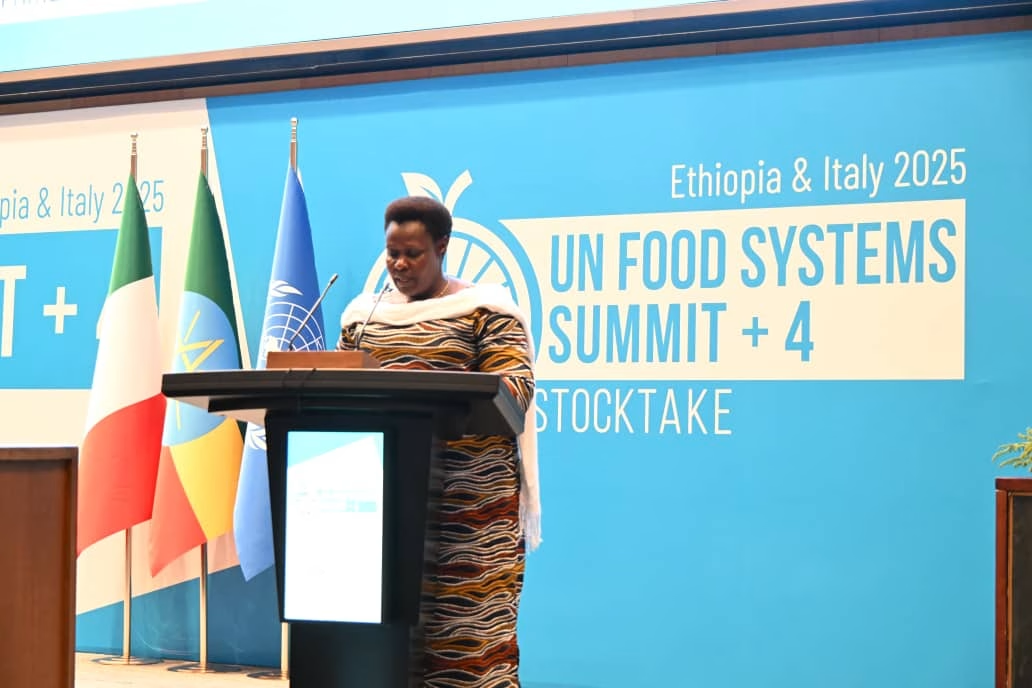
Ethiopia, the United Nations, United Nations Economic Commission for Africa (UNECA), African Union Member States and all partners for convening the UN Food Systems Summit.
Introduction
The Food Systems Agenda sits at the nexus of health, Climate Change, trade, economic resilience and human rights.
For Africa, transforming food systems is not an option but essential to achieving sustainable development, regional stability and economic empowerment.
Uganda reaffirms its commitment to building resilient, inclusive and sustainable food systems that ensures equitable access to safe, nutritious and affordable food for all.
The country has undertaken significant steps to implement its commitments including;
Development of a National Food Systems Transformation Pathway
Establishment of the National Food Systems Coordination Committee (NFSCC)
Creation of the Food and Agriculture Regulatory Authority
Uganda’s food systems transformation strategy is firmly integrated in the current National Development Plan IV, which commenced on July 1st 2025 – June 2030; and it is anchored on the five pillars of;
Sustainable Industrialization
Private Sector Growth
Human Capital Development
Infrastructure Development and
Governance and Security
As a proactive commitment to this strategy, Uganda launched the Parish Development Model (PDM) as a flagship vehicle for grassroots transformation. A parish is the smallest administrative Unit and the hub of economic planning and implementation. While Uganda’s School Feeding initiative is more than a nutrition or education program, it is a systemic intervention that integrates local agriculture, health and community engagement.
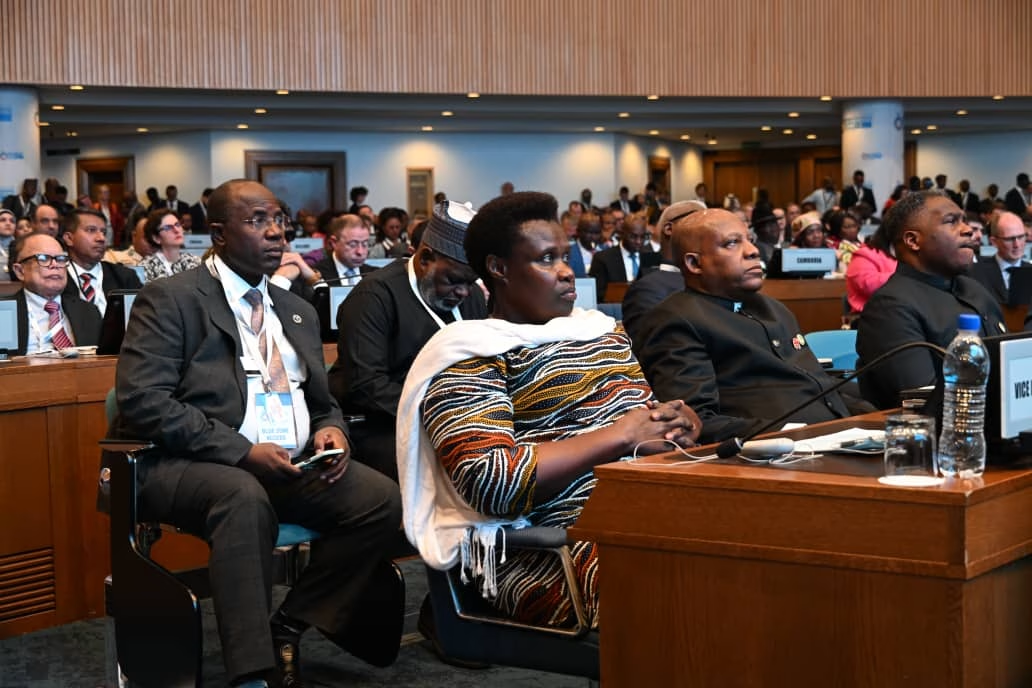
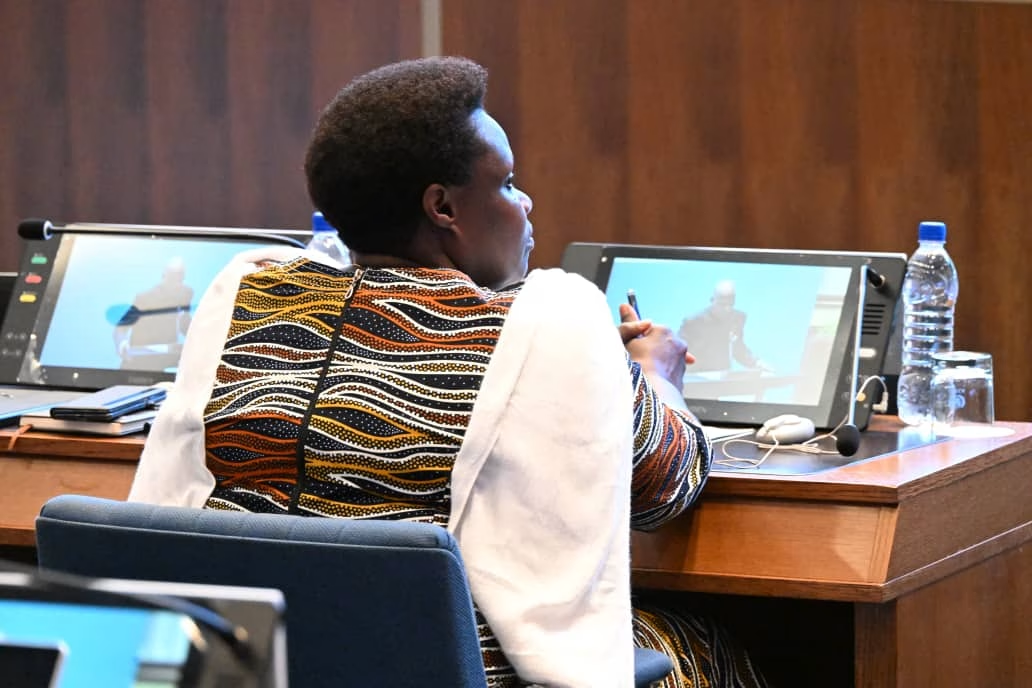
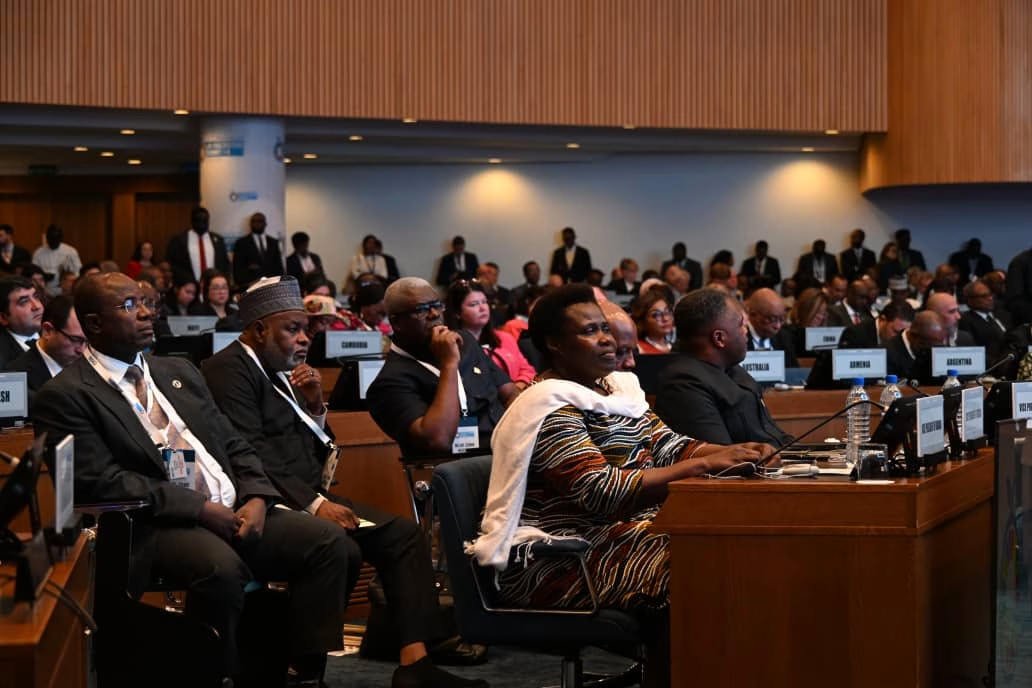
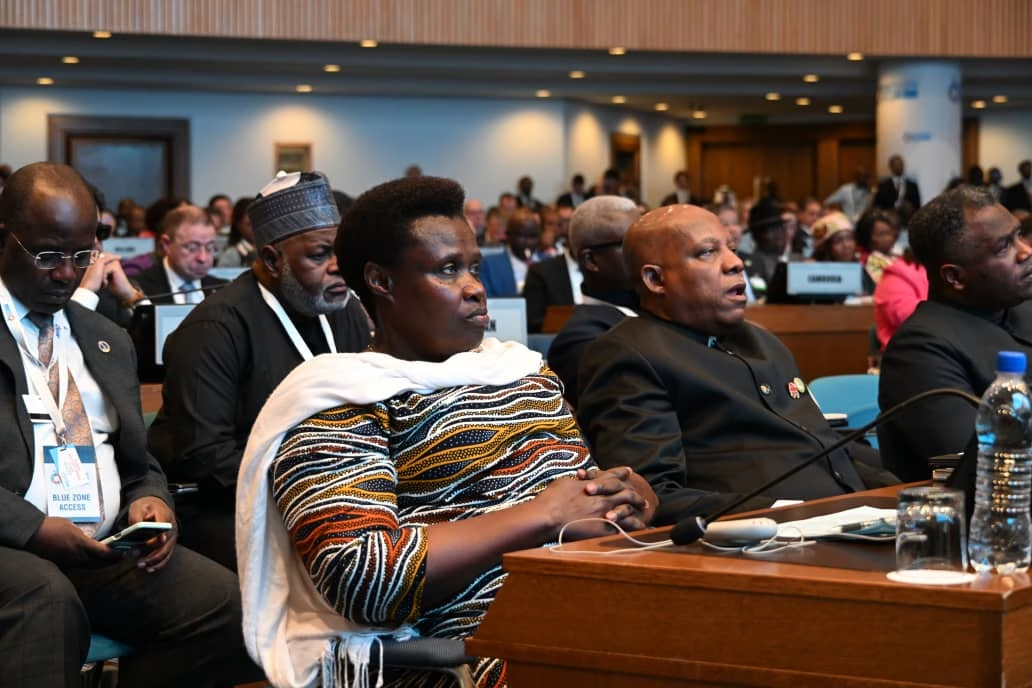
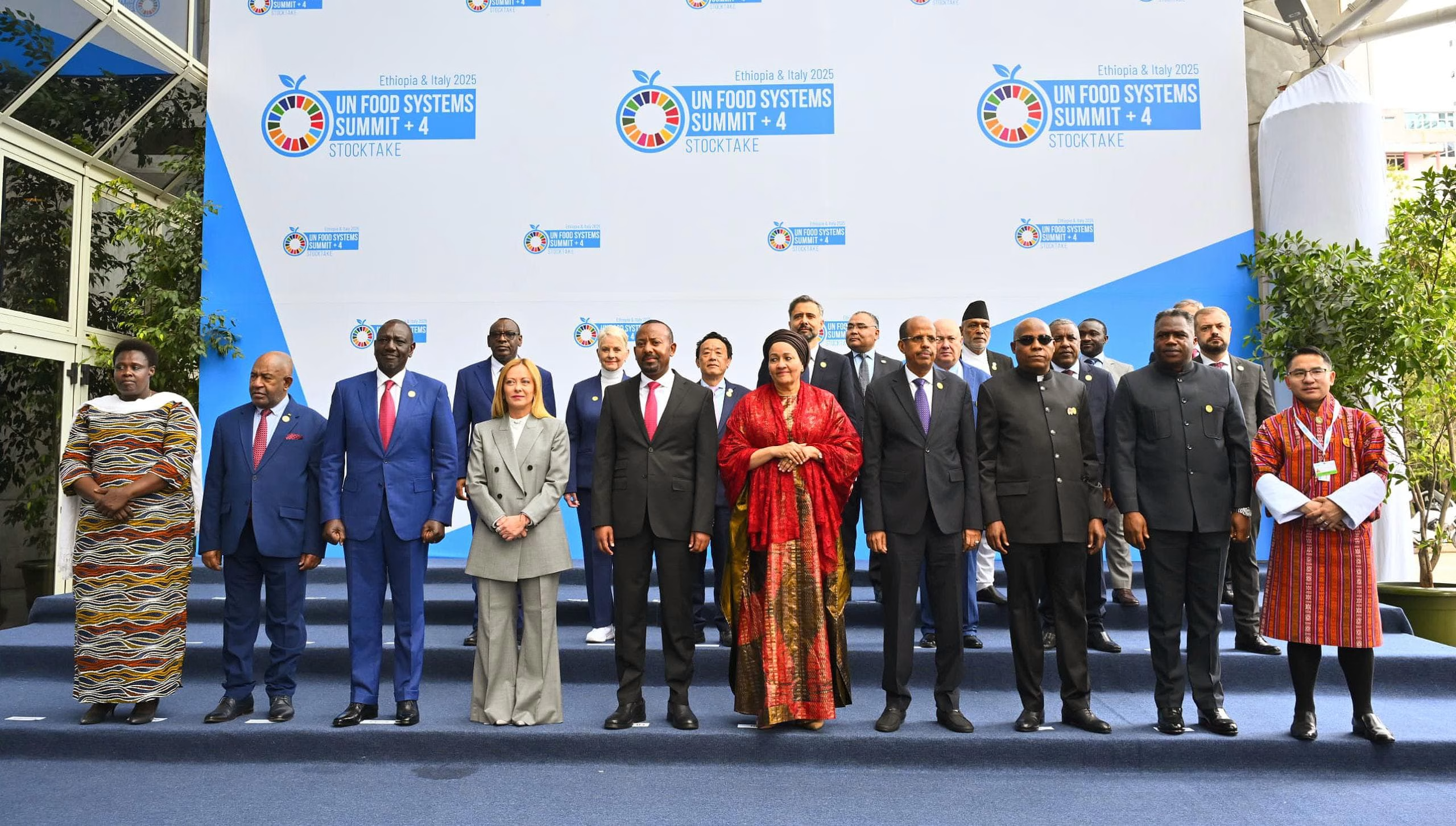
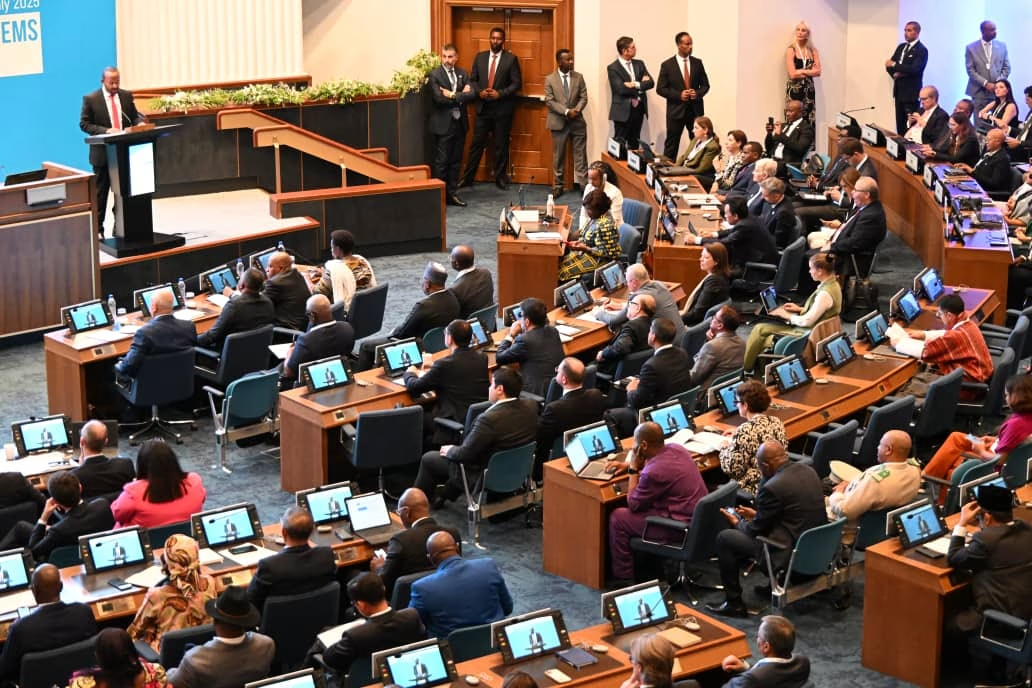
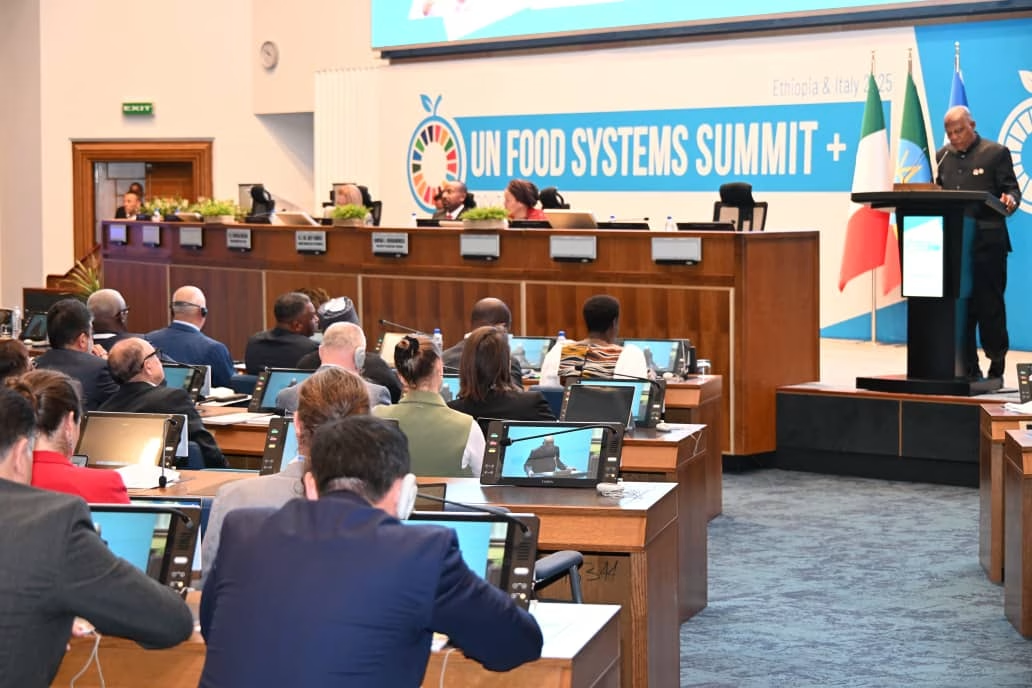
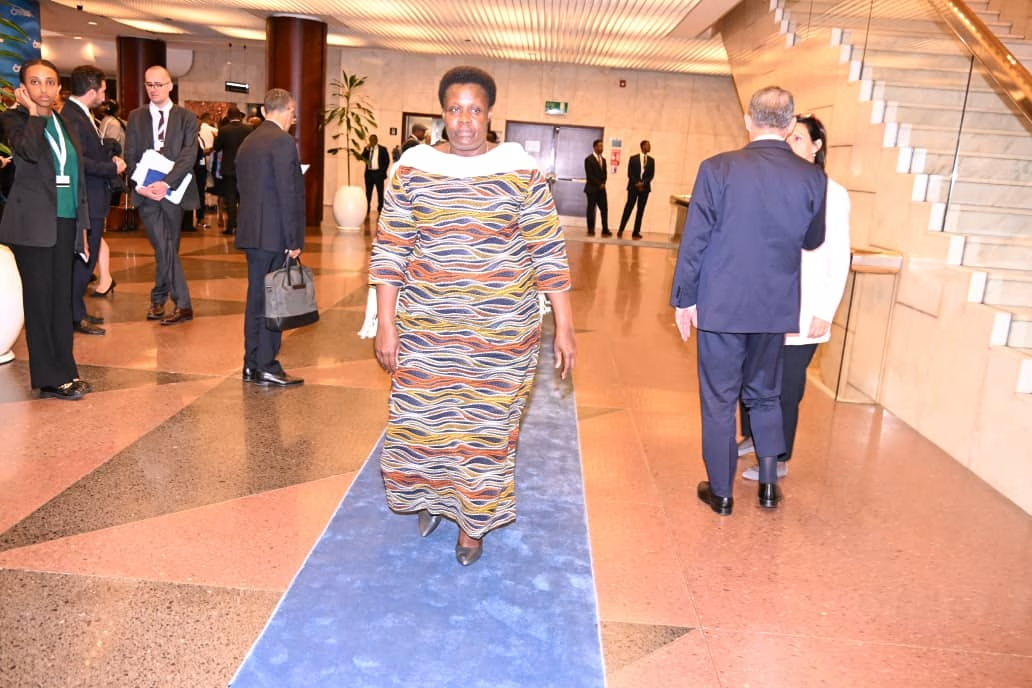
I bring warm greetings from H.E. Gen. Yoweri Kaguta Museveni, President of the Republic of Uganda and the people of Uganda.
In the same vein we appreciate H.E. Abiy Ahmed, Prime Minister of the Federal Democratic Republic of Ethiopia and all the people of Ethiopia for the High Level Courtesy offered to me and my delegation since our arrival to the beautiful city of Africa- Addis Ababa.
Background
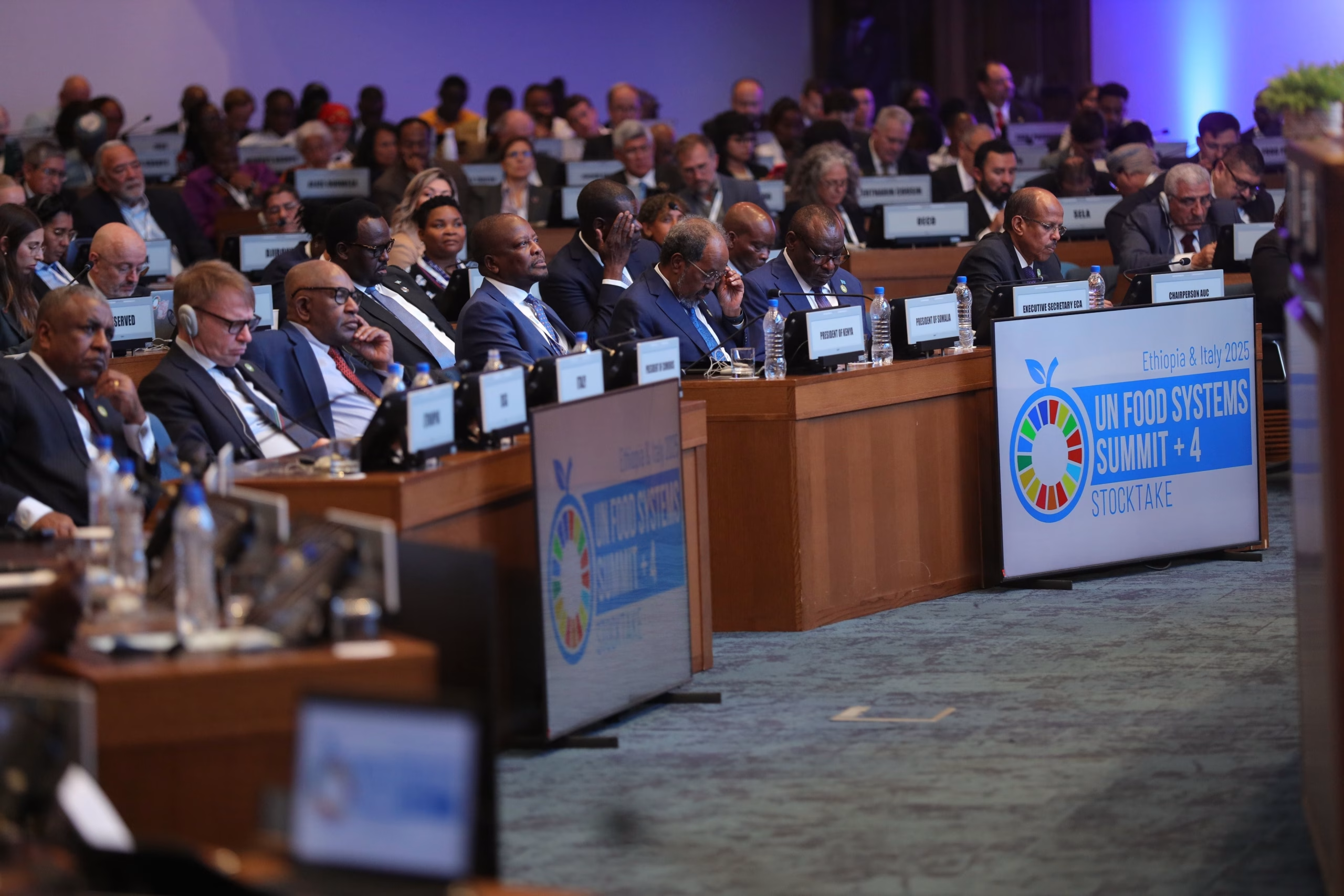
The 2025 UN Food Systems Summit Stocktake (UNFSS+4) is a crucial opportunity to reassess effort, share progress, renew commitment and accelerate transformation in ways that are inclusive, people centred and context specific.
Uganda is committed to this process and appreciates the Government of the Federal Democratic Republic of
These initiatives exemplify how Uganda is coordinating multi-sectoral programs, food systems, health and education.
Conclusion
As we gather here in Addis Ababa for the UNFSS+4 Socktake, Uganda calls on Member States and stakeholders to move from dialogue to action. We must deepen global collaboration, scale up innovative financing mechanisms and unlock the transformative potential of local and indigenous solutions.
CALL TO ACTION
Let us commit ourselves to the vision that no child, no woman, no man should go to bed hungry, and that safe, affordable and nutritious food is not, a Priviledge for a few but a Right to all!
Together Uganda stands ready to work with partners on the continent and beyond to achieve this. Our commitment is firm and our resolve is strong.
I thank you.
H.E. President
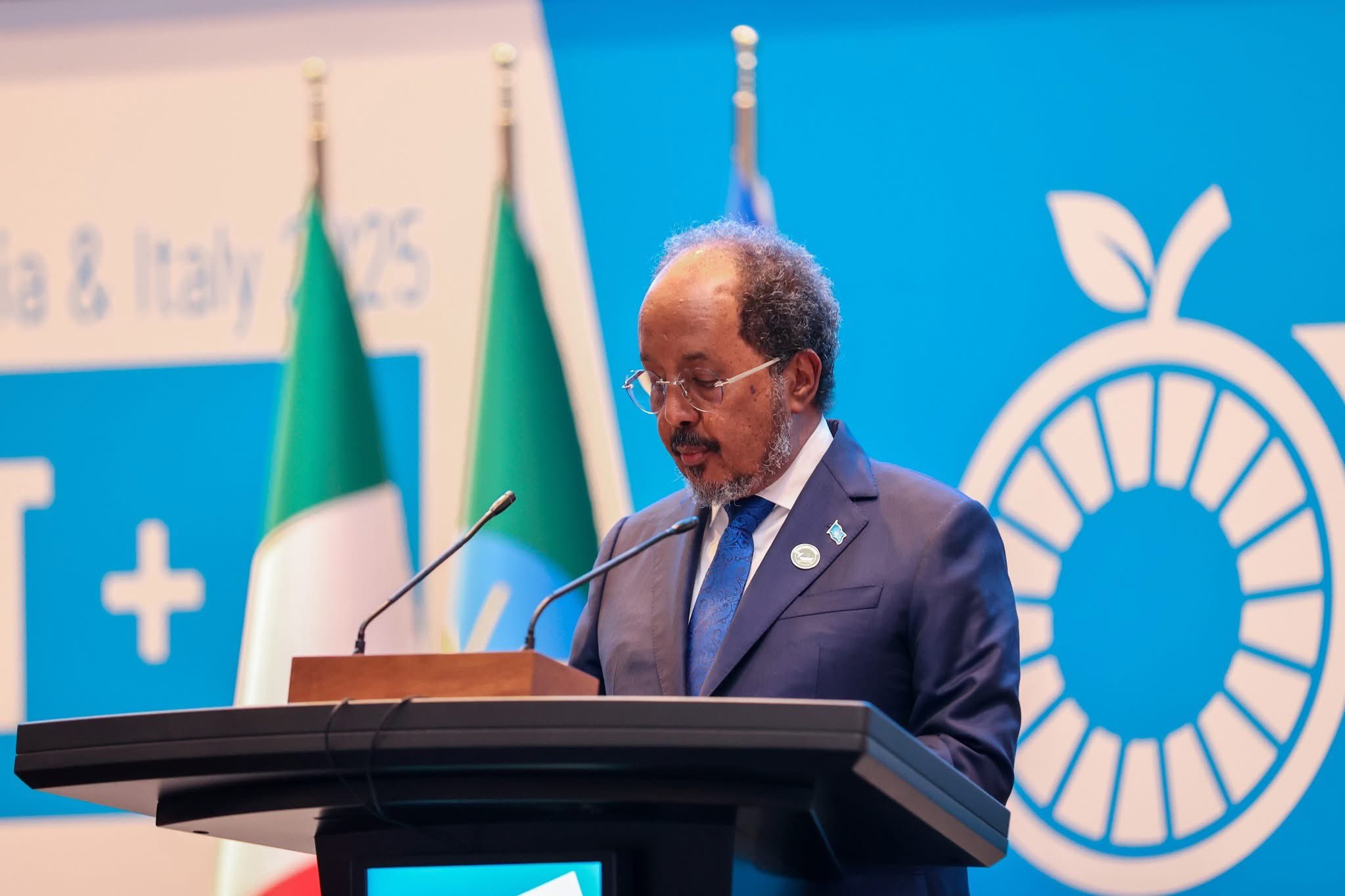
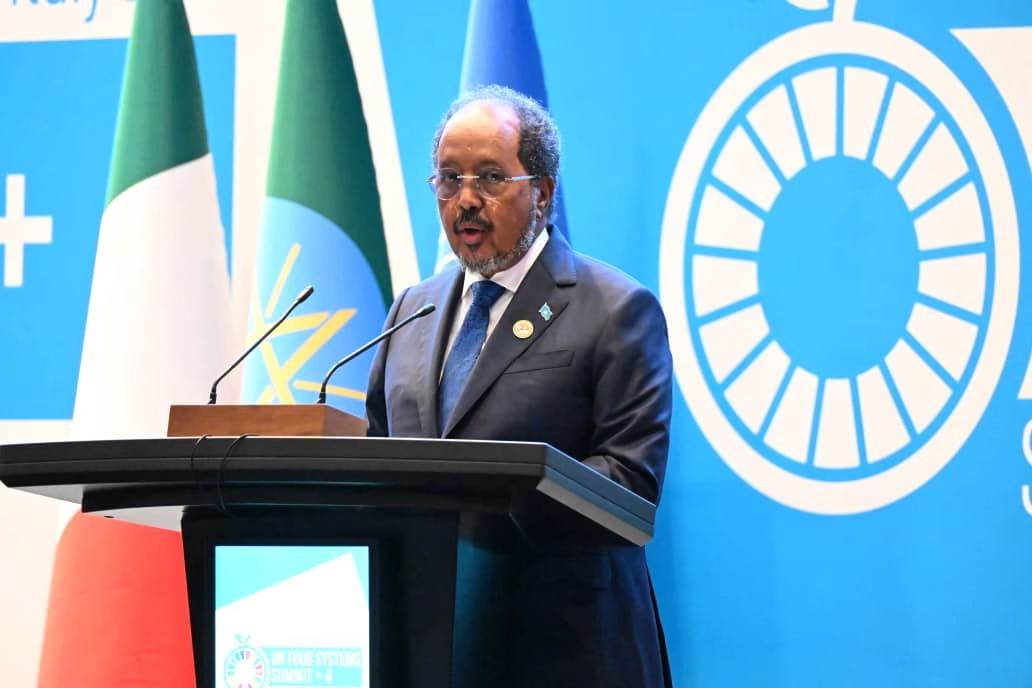
participated in the UN Food Systems Summit (UNFSS+4) in Addis Ababa, Ethiopia. In his address to the Summit, the President underscored the need for global solidarity to tackle food insecurity and climate change. He also highlighted Somalia’s local efforts to boost production, empower rural communities, strengthen public-private partnerships, and build sustainable market systems.
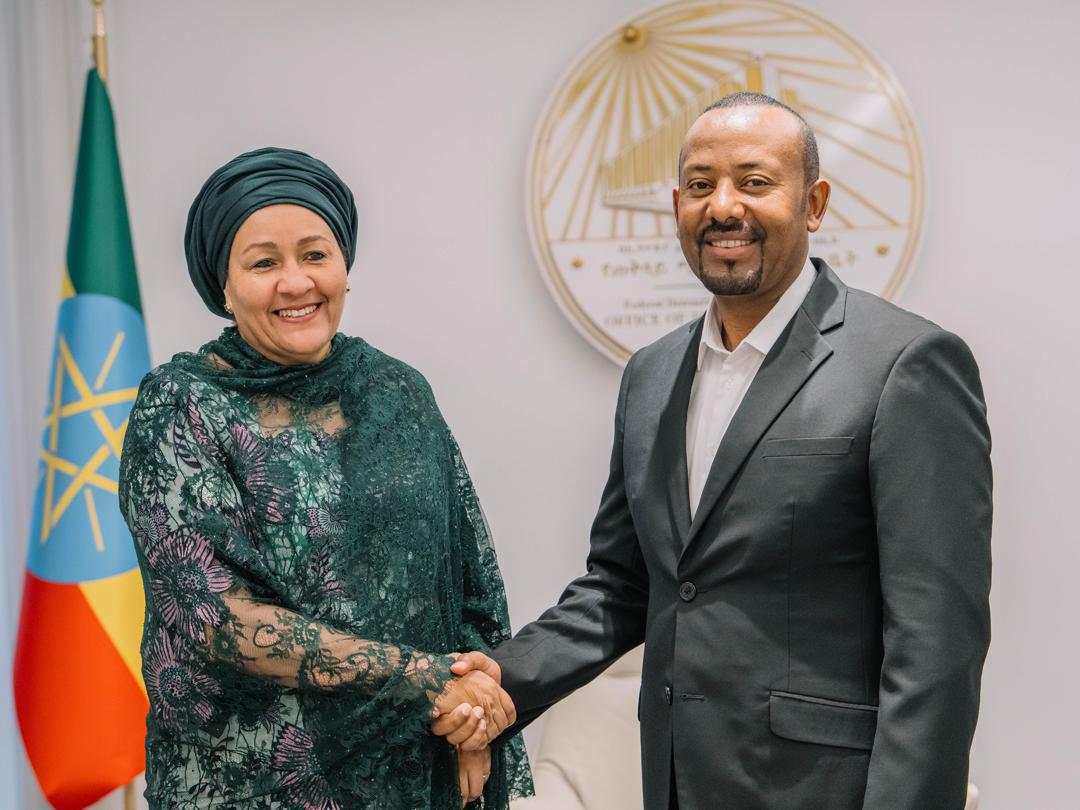
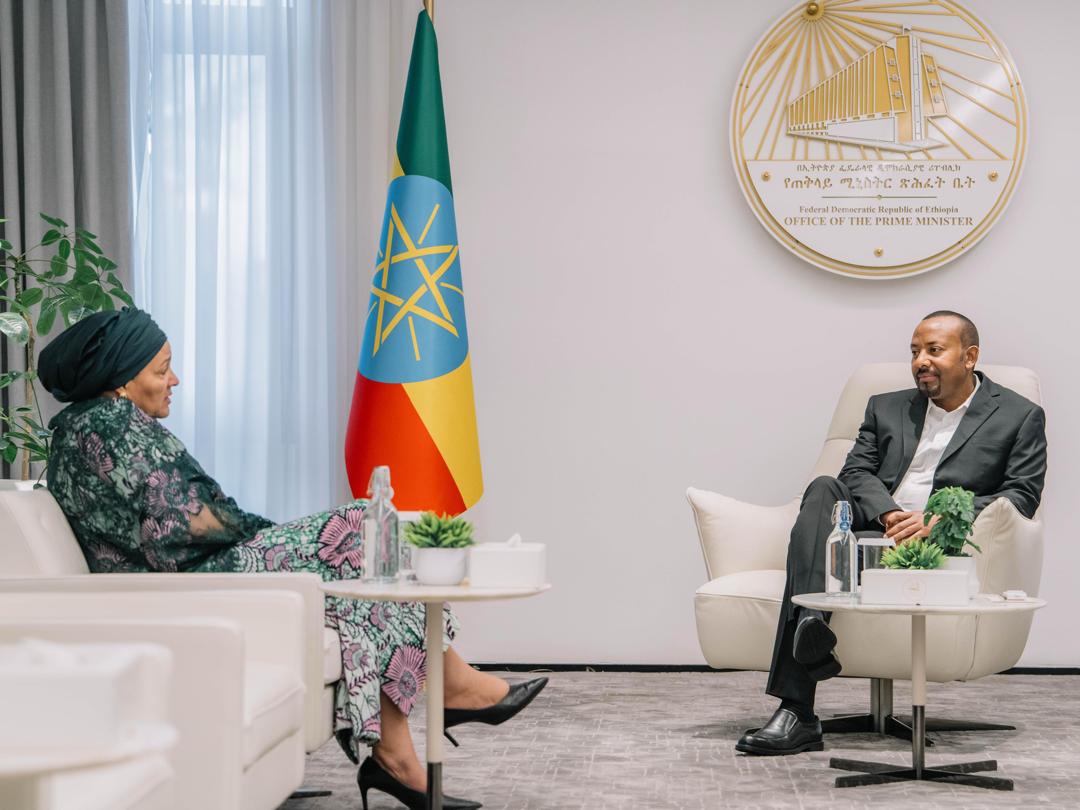
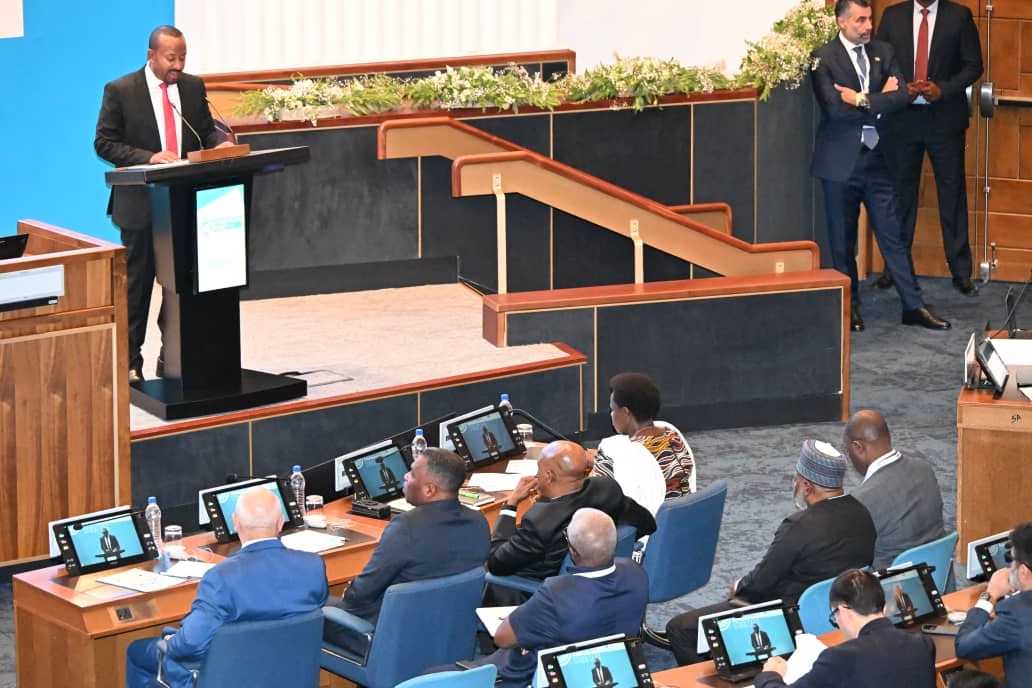
Ethiopia is proud to co-host the 2nd UN Food Systems Summit taking place over the next three days in Addis Ababa. This morning, I had the pleasure of receiving
, Deputy Secretary-General of the United Nations, at my office. We held a productive discussion on various issues including, on the urgent need for sustainable, inclusive, and resilient food systems across Africa and beyond. Ethiopia remains committed to transforming its food systems through integrated policies, climate-smart agriculture, and community-driven approaches that enhance food security and nutrition for all.